
Rhinoplasty, commonly referred to as a nose job, is a surgical procedure aimed at altering the shape or function of the nose. Whether you are considering rhinoplasty for cosmetic reasons, such as enhancing your facial symmetry, or for functional purposes, like correcting breathing issues, understanding the intricacies of this surgery is crucial. The procedure can involve reshaping the bone and cartilage of the nose, which may be necessary to achieve the desired aesthetic or functional outcome.
It is essential to recognize that rhinoplasty is not a one-size-fits-all solution; each individual’s nose is unique, and the approach taken will depend on your specific needs and goals. The surgery can be performed using two primary techniques: open and closed rhinoplasty. Open rhinoplasty involves making an incision across the columella, the tissue that separates the nostrils, allowing for greater visibility and access to the nasal structures.
Closed rhinoplasty, on the other hand, involves incisions made within the nostrils, resulting in no visible scarring. Regardless of the technique chosen, rhinoplasty requires a thorough understanding of nasal anatomy and aesthetics, making it imperative to consult with a qualified surgeon who can guide you through the process.
Key Takeaways
- Rhinoplasty surgery is a procedure to reshape the nose for aesthetic or functional purposes.
- Choosing a skilled surgeon is crucial for a successful rhinoplasty surgery and to minimize potential risks and complications.
- Scar-less techniques offer the benefit of minimal scarring and faster recovery compared to traditional rhinoplasty methods.
- Scar-less techniques work by using specialized instruments and advanced technology to make incisions inside the nose, avoiding external scarring.
- The recovery process after rhinoplasty surgery involves swelling, bruising, and discomfort, which can be managed with proper post-operative care and follow-up with the surgeon.
The Importance of Choosing a Skilled Surgeon
Selecting a skilled surgeon is one of the most critical steps in your rhinoplasty journey. The expertise and experience of your surgeon can significantly influence not only the outcome of your surgery but also your overall experience. A qualified surgeon will have a deep understanding of facial aesthetics and the technical skills necessary to perform the procedure safely and effectively.
They should be board-certified in plastic surgery or otolaryngology and have a proven track record of successful rhinoplasty surgeries. Moreover, a skilled surgeon will take the time to understand your goals and expectations. They will conduct a thorough evaluation of your nasal structure and facial features to create a personalized surgical plan tailored to your needs.
This level of attention and care can make all the difference in achieving results that not only enhance your appearance but also align with your vision. Therefore, investing time in researching potential surgeons and reviewing their credentials is essential for ensuring a successful outcome.
The Benefits of Scar-less Techniques
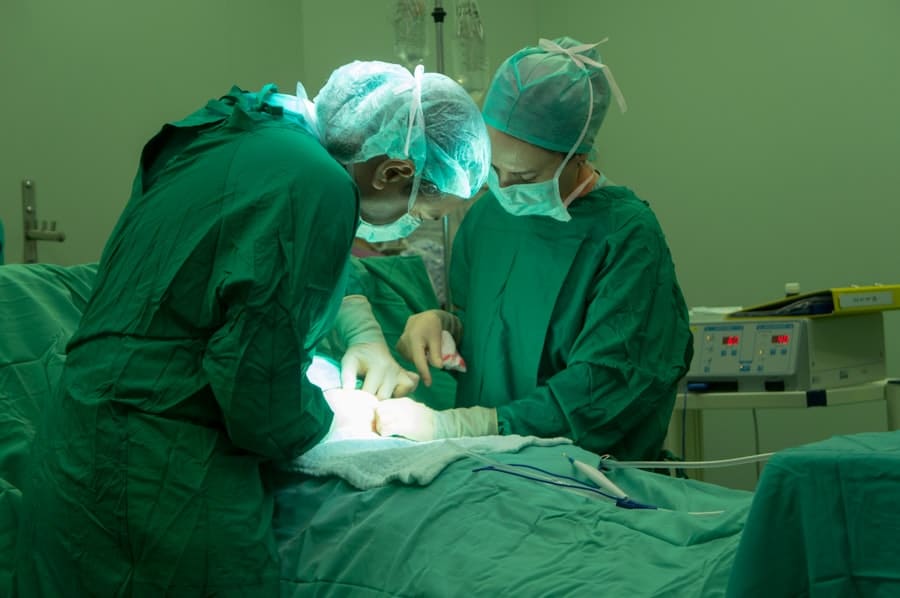
One of the most appealing aspects of modern rhinoplasty is the advent of scar-less techniques. These methods aim to minimize visible scarring while still achieving excellent results. The closed rhinoplasty technique is particularly notable for its ability to conceal incisions within the nostrils, leaving no external scars.
This is especially advantageous for individuals who are concerned about the aesthetic implications of visible scars on their face. In addition to aesthetic benefits, scar-less techniques often lead to quicker recovery times. Since there are fewer incisions and less tissue disruption involved, patients may experience reduced swelling and bruising post-surgery.
This means you can return to your daily activities sooner while enjoying a more natural-looking result. The combination of minimal scarring and faster recovery makes scar-less techniques an attractive option for many individuals considering rhinoplasty.
How Scar-less Techniques Work
Scar-less techniques primarily rely on closed rhinoplasty methods, which utilize incisions made entirely within the nostrils. This approach allows surgeons to access the underlying structures of the nose without creating any visible scars on the external surface. During the procedure, your surgeon will carefully reshape the cartilage and bone as needed to achieve your desired outcome.
The precision involved in this technique requires a high level of skill and experience, as it can be more challenging than open rhinoplasty. In addition to closed rhinoplasty, advancements in technology have introduced innovative tools such as endoscopes, which provide enhanced visualization during surgery. These instruments allow surgeons to perform intricate maneuvers with greater accuracy while minimizing trauma to surrounding tissues.
As a result, patients benefit from not only reduced scarring but also improved overall outcomes. Understanding how these techniques work can help you feel more confident in your decision to pursue rhinoplasty.
The Recovery Process
The recovery process following rhinoplasty is an essential aspect of your surgical journey. While individual experiences may vary, there are common stages that most patients go through after surgery. Initially, you may experience swelling, bruising, and discomfort around your nose and eyes.
These symptoms are normal and typically subside within a week or two. Your surgeon will provide specific post-operative instructions to help manage any discomfort and promote healing. During the first few days post-surgery, it’s crucial to rest and avoid strenuous activities that could strain your body or increase blood flow to your face.
You may also be advised to keep your head elevated while sleeping to minimize swelling. As you progress through recovery, you’ll likely notice gradual improvements in both swelling and overall appearance. Most patients can return to work or social activities within one to two weeks, but full recovery may take several months as residual swelling continues to diminish.
Potential Risks and Complications
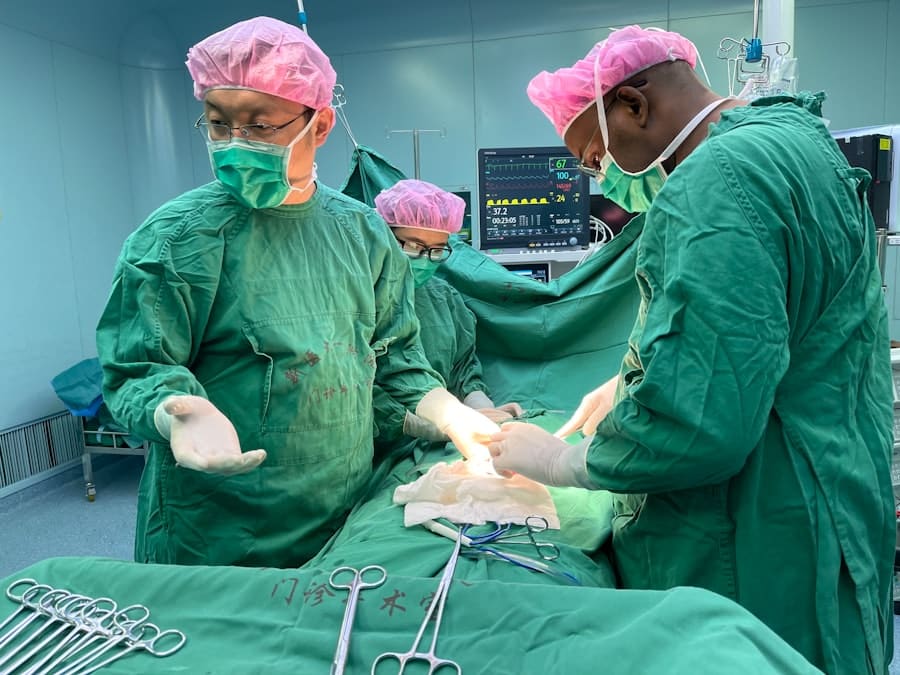
Like any surgical procedure, rhinoplasty carries potential risks and complications that you should be aware of before undergoing surgery. While serious complications are rare, they can include infection, excessive bleeding, or adverse reactions to anesthesia. Additionally, there is a possibility that you may not achieve the desired results, leading some patients to seek revision surgery later on.
It’s essential to have an open discussion with your surgeon about these risks during your consultation. A skilled surgeon will take precautions to minimize complications by adhering to best practices and ensuring that you are a suitable candidate for surgery. Understanding these potential risks can help you make an informed decision about whether rhinoplasty is right for you.
Qualifications to Look for in a Rhinoplasty Surgeon
When searching for a rhinoplasty surgeon, certain qualifications can help you identify a skilled professional who meets your needs. First and foremost, ensure that the surgeon is board-certified in plastic surgery or otolaryngology (ear, nose, and throat). Board certification indicates that they have undergone rigorous training and adhere to high standards of practice.
Additionally, consider their experience specifically with rhinoplasty procedures. Ask about their surgical volume and success rates with similar cases to yours. Reviewing before-and-after photos of previous patients can also provide insight into their aesthetic style and skill level.
Finally, look for a surgeon who prioritizes patient education and communication; they should be willing to answer your questions and address any concerns you may have throughout the process.
The Consultation Process
The consultation process is a vital step in preparing for your rhinoplasty surgery. During this initial meeting, you will have the opportunity to discuss your goals and expectations with your surgeon in detail. They will conduct a thorough evaluation of your nasal structure and facial features while taking into account any functional issues you may be experiencing.
This is also an excellent time for you to ask questions about the procedure itself, including techniques used, recovery expectations, and potential risks involved. A reputable surgeon will encourage open dialogue and ensure that you feel comfortable with every aspect of the process before moving forward. By actively participating in this consultation, you can gain valuable insights that will help you make informed decisions about your rhinoplasty journey.
Realistic Expectations for Results
Setting realistic expectations for your rhinoplasty results is crucial for achieving satisfaction with your outcome. While many patients experience significant improvements in their appearance and self-confidence following surgery, it’s important to understand that perfection is not always attainable. Each individual’s anatomy is unique, which means that results can vary based on factors such as skin thickness, nasal structure, and healing response.
Your surgeon will provide guidance on what you can realistically expect from the procedure based on their assessment of your specific case. They may use computer imaging technology to give you an idea of potential outcomes; however, keep in mind that these images are only approximations. By maintaining realistic expectations throughout your journey, you can approach your surgery with a positive mindset and appreciate the enhancements made to your appearance.
Post-Operative Care and Follow-Up
Post-operative care plays a significant role in ensuring a smooth recovery after rhinoplasty surgery. Following your surgeon’s instructions diligently will help minimize complications and promote optimal healing. You may be advised to avoid certain activities such as heavy lifting or vigorous exercise for several weeks post-surgery.
Follow-up appointments are also essential for monitoring your progress during recovery. Your surgeon will assess how well you are healing and address any concerns that may arise during this time. These visits provide an opportunity for you to ask questions about your recovery process and discuss any changes you may notice as swelling subsides and your final results begin to emerge.
Choosing the Right Surgeon for Your Rhinoplasty
Ultimately, choosing the right surgeon for your rhinoplasty is one of the most important decisions you will make throughout this process. Take the time to research potential candidates thoroughly; look for reviews from previous patients and seek recommendations from trusted sources. Schedule consultations with multiple surgeons to compare their approaches and philosophies regarding rhinoplasty.
During these consultations, pay attention not only to their qualifications but also how comfortable you feel discussing your goals with them. A strong rapport with your surgeon can significantly enhance your overall experience and contribute positively to your results. By taking these steps, you can ensure that you find a skilled professional who aligns with your vision for achieving an enhanced appearance through rhinoplasty surgery.
If you’re considering a scar-less rhinoplasty technique offered by a skilled surgeon in Frisco, TX, you may find it beneficial to explore the broader implications of rhinoplasty in general. An insightful article titled The Art and Science of Rhinoplasty: Transforming Lives One Nose at a Time delves into how this procedure can significantly enhance not just physical appearance but also boost self-esteem and overall quality of life.
FAQs
What is a scar-less rhinoplasty technique?
The scar-less rhinoplasty technique, also known as closed rhinoplasty, is a surgical procedure performed to reshape the nose without making any external incisions. This technique involves making all incisions inside the nostrils, resulting in no visible scarring on the outside of the nose.
What are the benefits of scar-less rhinoplasty?
The benefits of scar-less rhinoplasty include minimal scarring, reduced risk of external nose deformities, faster recovery time, and less post-operative swelling and bruising compared to traditional open rhinoplasty techniques.
Who is a good candidate for scar-less rhinoplasty?
Good candidates for scar-less rhinoplasty are individuals who are looking to improve the appearance of their nose without wanting visible scarring. They should be in good overall health and have realistic expectations about the outcome of the procedure.
What is the recovery process like for scar-less rhinoplasty?
The recovery process for scar-less rhinoplasty typically involves minimal discomfort and swelling. Patients may need to wear a nasal splint for about a week, and most can return to work and normal activities within 1-2 weeks. Full results may take several months to become apparent.
How can I find a qualified rhinoplasty surgeon in Frisco, TX who specializes in scar-less techniques?
To find a qualified rhinoplasty surgeon in Frisco, TX who specializes in scar-less techniques, it is important to research and schedule consultations with board-certified plastic surgeons who have experience and expertise in performing scar-less rhinoplasty procedures. It is also recommended to ask for before and after photos of previous patients who have undergone scar-less rhinoplasty.