
Nose fillers, also known as non-surgical rhinoplasty, are injectable treatments designed to enhance the shape and contour of your nose without the need for invasive surgery. These fillers typically consist of hyaluronic acid, a substance naturally found in your body, which helps to add volume and hydration. When injected into specific areas of your nose, they can smooth out bumps, lift the tip, or create a more balanced appearance.
The beauty of nose fillers lies in their ability to provide immediate results with minimal downtime, making them an appealing option for those looking to refine their facial features. The procedure works by strategically placing the filler in areas that require enhancement or correction. For instance, if you have a dorsal hump, the filler can be injected above and below the bump to create a smoother profile.
Alternatively, if you desire a more defined tip, the filler can be placed at the tip of your nose to achieve that desired lift. The results are temporary, typically lasting between six months to a year, depending on the type of filler used and your body’s metabolism. This allows you to experiment with your look without committing to permanent changes.
Key Takeaways
- Nose fillers are injectable substances used to reshape and enhance the nose without surgery.
- When choosing a provider for nose fillers, it’s important to look for someone who is qualified, experienced, and has a good reputation.
- Before the procedure, patients should expect to discuss their goals and desired results with the practitioner and prepare for any potential discomfort.
- There are different types of nose fillers available, each with their own benefits and considerations.
- The procedure itself is relatively quick, but recovery and aftercare are important for minimizing discomfort and maximizing results.
Finding the Right Provider: Choosing a Qualified and Experienced Practitioner
Selecting the right provider for your nose filler treatment is crucial to achieving the results you desire. You want to ensure that the practitioner you choose is not only qualified but also experienced in performing non-surgical rhinoplasty. Start by researching potential providers in your area, looking for board-certified dermatologists or plastic surgeons who specialize in injectables.
Their credentials and experience can significantly impact the outcome of your treatment. Once you have a list of potential practitioners, take the time to read reviews and testimonials from previous patients. This will give you insight into their skills and the level of care they provide.
Additionally, consider scheduling consultations with a few different providers. During these meetings, pay attention to how they communicate with you and whether they take the time to understand your goals. A good practitioner will not only have the technical skills but also possess a keen aesthetic sense to help you achieve a natural-looking result.
Preparing for the Procedure: What to Expect and How to Get Ready
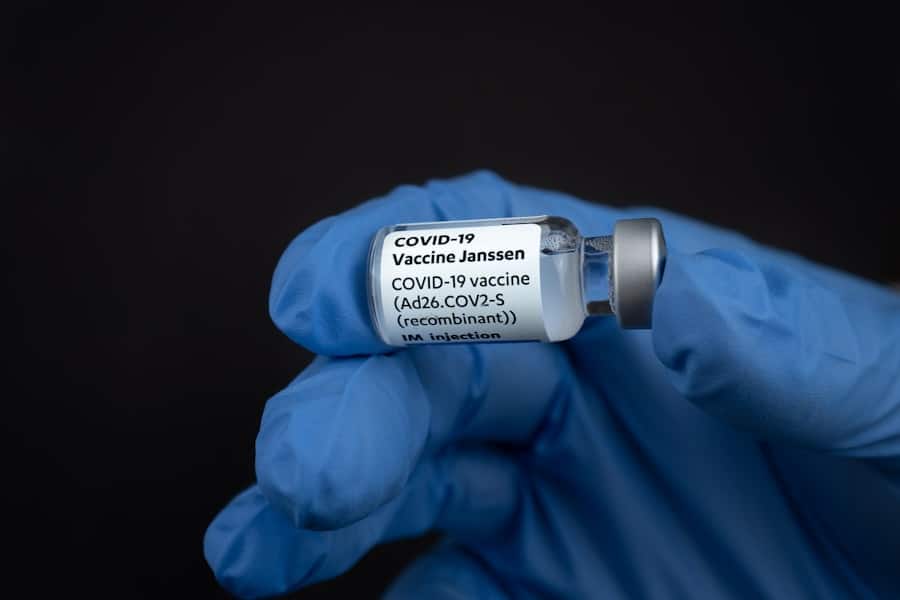
Preparation for your nose filler procedure is essential for ensuring a smooth experience and optimal results. Before your appointment, it’s advisable to avoid blood-thinning medications such as aspirin or ibuprofen for at least a week. These medications can increase the risk of bruising and swelling at the injection site.
Additionally, you may want to refrain from alcohol consumption for 24 hours prior to your treatment, as it can also contribute to increased swelling. On the day of your procedure, arrive with a clean face free of makeup or skincare products. This will help minimize the risk of infection and ensure that your practitioner can clearly see the areas that need treatment.
During your appointment, your provider will likely apply a topical anesthetic to numb the area before injecting the filler. This will help reduce any discomfort you may feel during the procedure. Being well-prepared will not only ease your nerves but also set the stage for a successful treatment.
The Consultation Process: Discussing Your Goals and Desired Results
The consultation process is a vital step in your journey toward achieving your desired nose shape. During this meeting, you will have the opportunity to discuss your aesthetic goals with your practitioner in detail. Be open about what you hope to achieve with nose fillers; whether it’s correcting asymmetry, smoothing out bumps, or enhancing the overall profile of your nose, clear communication is key.
Your practitioner will assess your facial structure and discuss what is realistically achievable with fillers. They may use digital imaging technology to show you potential outcomes based on your unique features. This visual aid can help you better understand how different adjustments might look on you.
Remember that this is a collaborative process; don’t hesitate to ask questions or express any concerns you may have. A skilled practitioner will take the time to ensure that you feel comfortable and informed before proceeding.
Types of Nose Fillers: Exploring Different Options and Their Benefits
When it comes to nose fillers, there are several types available, each with its own unique benefits. The most commonly used fillers are hyaluronic acid-based products like Juvederm and Restylane. These fillers are favored for their ability to provide natural-looking results while being easily reversible if necessary.
Hyaluronic acid is also known for its hydrating properties, which can enhance skin texture in addition to providing volume. Another option is calcium hydroxylapatite fillers, such as Radiesse, which offer a firmer consistency and longer-lasting results compared to hyaluronic acid fillers. These fillers stimulate collagen production in addition to providing immediate volume, making them an excellent choice for those looking for more substantial changes.
Your practitioner will help you determine which type of filler is best suited for your needs based on factors like desired longevity and specific aesthetic goals.
The Procedure: What Happens During the Treatment and How Long Does it Take?

The actual procedure for nose fillers is relatively quick and straightforward, typically lasting between 15 to 30 minutes depending on the extent of treatment required. After applying a topical anesthetic, your practitioner will use a fine needle or cannula to inject the filler into predetermined areas of your nose. You may feel slight pressure or a pinching sensation during this process, but most patients report minimal discomfort.
Once the filler is injected, your practitioner may gently massage the area to ensure even distribution and achieve a natural look. After completing the injections, they will assess the results and make any necessary adjustments. You’ll likely be able to see immediate changes in your nose’s appearance right after the procedure, although some swelling may occur initially.
This quick turnaround makes nose fillers an attractive option for those seeking instant enhancement without significant downtime.
Recovery and Aftercare: Tips for Minimizing Discomfort and Maximizing Results
Post-procedure care is essential for ensuring optimal results from your nose filler treatment. After your appointment, it’s normal to experience some swelling or bruising at the injection sites; however, these effects typically subside within a few days. To minimize discomfort and promote healing, consider applying ice packs gently to the treated area for short intervals during the first 24 hours.
It’s also advisable to avoid strenuous exercise or activities that could increase blood flow to your face for at least 24 hours post-treatment. This includes activities like hot yoga or heavy lifting at the gym. Additionally, try not to touch or massage your nose for at least two weeks following the procedure; this will help maintain the integrity of the filler and prevent any unwanted shifts in placement.
Potential Risks and Side Effects: Understanding the Possible Complications
While nose fillers are generally considered safe when performed by qualified practitioners, it’s important to be aware of potential risks and side effects associated with the treatment. Common side effects include swelling, bruising, redness, or tenderness at the injection sites; these are usually temporary and resolve within a few days. However, more serious complications can occur in rare cases.
These complications may include allergic reactions, infection, or vascular occlusion—where filler inadvertently blocks blood vessels leading to tissue damage. To minimize these risks, ensure that you choose an experienced provider who follows proper injection techniques and maintains a sterile environment during treatment. Discuss any concerns you may have during your consultation so that you can make an informed decision about proceeding with nose fillers.
Long-Term Results: How Long Do Nose Fillers Last and What Can You Expect?
The longevity of nose fillers varies based on several factors including the type of filler used, individual metabolism, and lifestyle choices. Generally speaking, hyaluronic acid fillers last between six months to one year before gradually breaking down in your body. Calcium hydroxylapatite fillers tend to last longer—up to 18 months—due to their collagen-stimulating properties.
As time goes on, you may notice subtle changes in your nose’s appearance as the filler dissipates. Some individuals choose to schedule touch-up appointments every six months or so to maintain their desired look without undergoing more invasive procedures. Your practitioner can help you develop a personalized maintenance plan based on how quickly your body metabolizes fillers and your aesthetic goals.
Combining Nose Fillers with Other Treatments: Enhancing Your Look with Complementary Procedures
If you’re considering enhancing your facial features further, combining nose fillers with other treatments can yield stunning results. For instance, many individuals opt for dermal fillers in other areas of their face—such as cheeks or lips—to create a harmonious balance across their features. This multi-faceted approach allows for comprehensive facial rejuvenation while addressing specific concerns.
Additionally, some people choose to pair nose fillers with treatments like Botox or laser skin resurfacing for an overall refreshed appearance. Botox can help smooth out fine lines around the eyes or forehead while laser treatments improve skin texture and tone. Discussing these options with your practitioner during your consultation can help you determine which combination of treatments aligns best with your aesthetic goals.
Maintaining Your Results: Tips for Preserving the Effects of Nose Fillers over Time
To maximize the longevity of your nose fillers and maintain optimal results over time, there are several strategies you can adopt. First and foremost, staying hydrated is crucial; drinking plenty of water helps keep your skin plump and healthy while supporting overall skin elasticity. Additionally, incorporating a good skincare routine that includes sun protection can prevent premature aging and maintain skin quality.
Regular follow-up appointments with your practitioner are also beneficial for monitoring results and determining when touch-ups may be necessary. They can provide personalized advice on maintaining your results based on how your body responds to fillers over time. By taking proactive steps in both skincare and regular maintenance visits, you can enjoy beautiful results from your nose fillers long after treatment.
If you are considering nose fillers to enhance your appearance, you may also be interested in learning more about rhinoplasty surgery. A comprehensive guide to understanding rhinoplasty surgery can be found here. This article provides valuable information on the procedure, recovery process, and potential results. Additionally, if you are curious about the cost of rhinoplasty surgery in specific locations, you can check out articles on rhinoplasty cost in Utah and rhinoplasty surgery costs in Killeen, Texas. These resources can help you make informed decisions about your cosmetic enhancement journey.
FAQs
What are nose fillers?
Nose fillers, also known as non-surgical rhinoplasty or liquid rhinoplasty, are a non-invasive cosmetic procedure that involves injecting dermal fillers into the nose to reshape and enhance its appearance.
How do nose fillers work?
Nose fillers work by adding volume and reshaping the nose through the injection of hyaluronic acid-based fillers. These fillers can help to smooth out bumps, straighten the bridge, and lift the tip of the nose.
What are the benefits of nose fillers?
Some of the benefits of nose fillers include immediate results, minimal downtime, and the ability to correct minor imperfections without the need for surgery. Nose fillers can also be used to improve the overall balance and symmetry of the face.
Are nose fillers permanent?
Nose fillers are not permanent and typically last between 6 months to 2 years, depending on the type of filler used and individual factors such as metabolism and lifestyle.
What are the potential risks and side effects of nose fillers?
Potential risks and side effects of nose fillers may include temporary swelling, bruising, redness, and the rare possibility of infection or allergic reaction. It is important to have the procedure performed by a qualified and experienced medical professional to minimize these risks.
Who is a good candidate for nose fillers?
Good candidates for nose fillers are individuals who are looking to improve the appearance of their nose without undergoing surgery. They should be in good overall health and have realistic expectations about the results of the procedure.
How long does the nose filler procedure take?
The nose filler procedure typically takes around 15 to 30 minutes to complete, making it a quick and convenient option for those looking to enhance their appearance without a lengthy recovery period.