
Liquid rhinoplasty is a non-surgical cosmetic procedure that has gained popularity in recent years for its ability to enhance the shape and contour of the nose without the need for invasive surgery. This technique typically involves the use of dermal fillers, such as hyaluronic acid, to add volume and reshape specific areas of the nose. You may find this option appealing if you desire subtle changes, such as smoothing out bumps, lifting the tip, or correcting asymmetry.
The results are immediate, allowing you to see the transformation right away, which can be incredibly satisfying. As you consider liquid rhinoplasty, it’s essential to understand that while it offers many benefits, it is not a permanent solution. The effects of the fillers usually last between six months to two years, depending on the type of filler used and your individual metabolism.
This temporary nature allows you to experiment with your look without committing to a permanent change. However, it also means that you will need to plan for follow-up treatments if you wish to maintain your new appearance over time.
Key Takeaways
- Liquid rhinoplasty is a non-surgical procedure that uses injectable fillers to reshape the nose.
- Risks and complications of liquid rhinoplasty include infection, allergic reaction, and vascular compromise.
- It is important to choose a qualified provider with experience in performing liquid rhinoplasty.
- Before the procedure, patients should avoid blood-thinning medications and discuss their medical history with the provider.
- After the procedure, patients may experience swelling, bruising, and temporary discomfort.
Risks and Complications of Liquid Rhinoplasty
Like any cosmetic procedure, liquid rhinoplasty comes with its own set of risks and potential complications. While many people undergo this treatment without any issues, it’s crucial to be aware of what could go wrong. Common side effects include swelling, bruising, and redness at the injection site.
These symptoms are typically mild and resolve on their own within a few days. However, more serious complications can occur, such as infection or an allergic reaction to the filler material. In rare cases, you might experience vascular occlusion, where the filler inadvertently blocks a blood vessel.
This can lead to tissue necrosis or even vision problems if not addressed promptly. Understanding these risks is vital as you weigh your options. It’s essential to have an open discussion with your provider about these potential complications and how they can be managed should they arise.
The Importance of Choosing a Qualified Provider
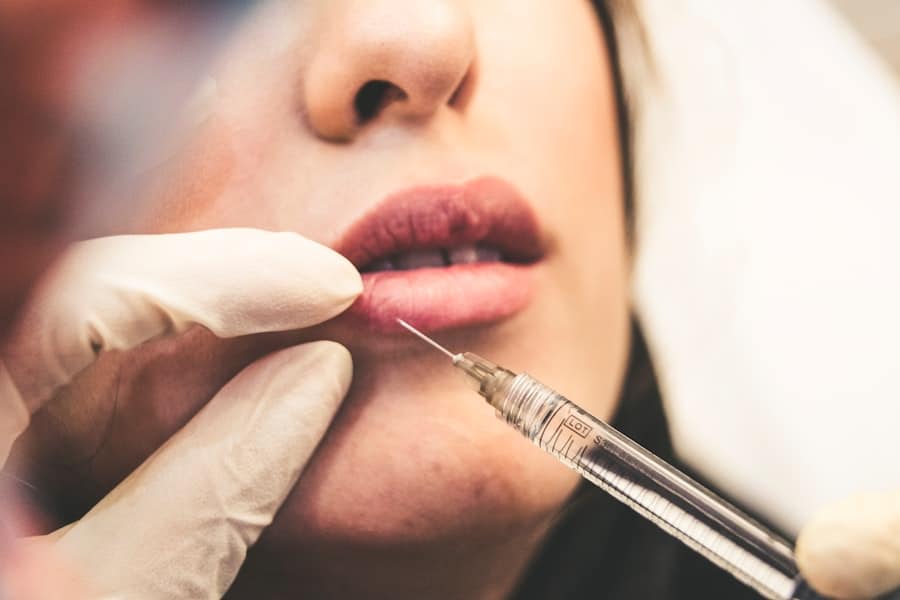
Selecting a qualified provider for your liquid rhinoplasty is one of the most critical steps in ensuring a successful outcome. You should seek out a licensed medical professional with extensive experience in administering dermal fillers and performing facial aesthetics. A skilled provider will not only have the technical expertise but also an artistic eye for facial proportions and balance, which is crucial for achieving natural-looking results.
Before making your decision, take the time to research potential providers thoroughly. Look for reviews and testimonials from previous patients, and don’t hesitate to ask for before-and-after photos of their work. A reputable provider will be transparent about their qualifications and will take the time to discuss your goals and expectations during a consultation.
This initial meeting is an excellent opportunity for you to gauge their expertise and comfort level in addressing your concerns.
Preparing for Your Liquid Rhinoplasty Procedure
Preparation is key when it comes to liquid rhinoplasty. Before your appointment, you should have a thorough consultation with your provider to discuss your desired outcomes and any concerns you may have. During this consultation, your provider will assess your facial structure and skin type to determine the best approach for your treatment.
They may also review your medical history to ensure that you are a suitable candidate for the procedure. In the days leading up to your appointment, there are several steps you can take to prepare. It’s advisable to avoid blood-thinning medications such as aspirin or ibuprofen, as these can increase the risk of bruising and swelling post-procedure.
Additionally, you may want to refrain from alcohol consumption for at least 24 hours before your treatment, as alcohol can also contribute to increased swelling and bruising. By taking these precautions, you can help ensure a smoother experience and better results.
What to Expect During and After the Procedure
On the day of your liquid rhinoplasty procedure, you can expect a relatively quick and straightforward process. The treatment typically lasts between 15 to 30 minutes, depending on the extent of the changes being made. Your provider will begin by cleaning the area around your nose and may apply a topical anesthetic to minimize discomfort during the injections.
Once you’re comfortable, they will carefully inject the filler into specific areas of your nose to achieve the desired shape. After the procedure, you may notice some immediate swelling or redness around the injection sites; however, this is usually temporary and subsides within a few hours to a few days. You should be able to return to your normal activities almost immediately, although it’s wise to avoid strenuous exercise or activities that could put pressure on your nose for at least 24 hours.
Your provider will likely give you specific aftercare instructions to follow, which may include avoiding certain skincare products or makeup for a short period.
Potential Side Effects and How to Manage Them

While many people experience minimal side effects after liquid rhinoplasty, it’s essential to be aware of what you might encounter and how to manage these effects effectively. Common side effects include swelling, bruising, and tenderness at the injection sites. These symptoms are generally mild and can be managed with over-the-counter pain relievers like acetaminophen if needed.
If you experience more significant side effects such as persistent pain or unusual discoloration, it’s crucial to contact your provider immediately. They can assess your situation and determine if any additional treatment is necessary. Additionally, applying ice packs to the affected areas can help reduce swelling and discomfort in the days following your procedure.
Staying hydrated and following any aftercare instructions provided by your provider will also aid in a smoother recovery process.
Long-term Safety Considerations
When considering liquid rhinoplasty, it’s important to think about long-term safety and how this procedure fits into your overall aesthetic goals. While dermal fillers are generally considered safe when administered by qualified professionals, there are still factors to consider regarding long-term use. Over time, repeated injections can lead to changes in skin texture or volume loss in surrounding areas if not done carefully.
Moreover, as you age, your facial structure naturally changes, which may affect how fillers settle in your nose over time. Regular follow-ups with your provider can help monitor these changes and adjust your treatment plan accordingly. It’s essential to maintain an open line of communication with your provider about any concerns or changes you notice in your appearance after multiple treatments.
Who is a Good Candidate for Liquid Rhinoplasty?
Not everyone is an ideal candidate for liquid rhinoplasty; understanding who qualifies for this procedure is crucial in making an informed decision. Generally speaking, good candidates are individuals looking for minor adjustments rather than significant structural changes to their noses. If you have realistic expectations about what liquid rhinoplasty can achieve and are in good overall health, you may be a suitable candidate.
Additionally, if you have previously undergone surgical rhinoplasty but wish to refine certain aspects of your nose without undergoing another surgery, liquid rhinoplasty could be an excellent option for you. However, it’s essential to consult with a qualified provider who can evaluate your specific situation and help determine whether this non-surgical approach aligns with your aesthetic goals.
The Difference Between Liquid Rhinoplasty and Surgical Rhinoplasty
Understanding the differences between liquid rhinoplasty and surgical rhinoplasty is vital as you consider which option is best for you. Surgical rhinoplasty involves making incisions in the skin to reshape the underlying bone and cartilage of the nose; this method is more invasive but allows for more dramatic changes in shape and size. Recovery from surgical rhinoplasty typically takes several weeks, during which time swelling and bruising can be significant.
In contrast, liquid rhinoplasty offers a non-invasive alternative that provides immediate results with minimal downtime. While it can effectively address minor imperfections like bumps or asymmetry, it cannot achieve the same level of transformation as surgical options. If you’re looking for subtle enhancements without committing to surgery or an extended recovery period, liquid rhinoplasty may be more suitable for your needs.
Research and Evidence on the Safety of Liquid Rhinoplasty
As with any cosmetic procedure, research plays a crucial role in understanding the safety and efficacy of liquid rhinoplasty. Numerous studies have shown that when performed by qualified professionals using approved fillers, liquid rhinoplasty is generally safe with a low incidence of serious complications. Most side effects are mild and temporary, making this procedure appealing for those seeking non-surgical options.
However, ongoing research is essential as new techniques and products emerge in the field of aesthetic medicine. Staying informed about recent studies can help you make educated decisions regarding your treatment options. Engaging in discussions with your provider about current research findings can also provide valuable insights into what you can expect from your liquid rhinoplasty experience.
Questions to Ask Your Provider Before Getting Liquid Rhinoplasty
Before committing to liquid rhinoplasty, it’s essential to have an open dialogue with your provider about any questions or concerns you may have. Start by asking about their qualifications and experience specifically related to liquid rhinoplasty procedures. Inquire about the types of fillers they use and why they believe those options are best suited for your needs.
Additionally, don’t hesitate to ask about potential risks and complications associated with the procedure. Understanding what could go wrong will help you feel more prepared going into the treatment. Finally, discuss what kind of results you can realistically expect based on your unique facial structure; this conversation will help align your goals with achievable outcomes.
In conclusion, liquid rhinoplasty offers an exciting opportunity for those looking to enhance their nasal appearance without undergoing surgery. By understanding the procedure’s nuances—its benefits, risks, preparation steps, and aftercare—you can make informed decisions that align with your aesthetic goals while prioritizing safety throughout the process.
If you are considering liquid rhinoplasty, it is important to also be aware of the potential costs associated with the procedure. A related article on rhinoplasty surgery costs in New York, New York provides valuable information on the financial aspects of undergoing a rhinoplasty procedure in a major metropolitan area. Understanding the costs involved can help you make an informed decision about whether liquid rhinoplasty is the right choice for you.
FAQs
What is liquid rhinoplasty?
Liquid rhinoplasty, also known as non-surgical rhinoplasty, is a cosmetic procedure that involves the use of injectable fillers to reshape and contour the nose without the need for surgery.
What are the common fillers used in liquid rhinoplasty?
The most common fillers used in liquid rhinoplasty are hyaluronic acid-based fillers, such as Restylane and Juvederm. These fillers are FDA-approved and have a proven safety record.
Is liquid rhinoplasty safe?
When performed by a qualified and experienced medical professional, liquid rhinoplasty is generally considered safe. However, as with any medical procedure, there are potential risks and complications that should be discussed with a healthcare provider.
What are the potential risks and complications of liquid rhinoplasty?
Potential risks and complications of liquid rhinoplasty may include bruising, swelling, redness, and the rare possibility of infection or allergic reaction. There is also a risk of filler migration or asymmetry, which can be addressed with follow-up treatments.
Who is a good candidate for liquid rhinoplasty?
Good candidates for liquid rhinoplasty are individuals who are looking to address minor imperfections or asymmetries in the nose, such as bumps, depressions, or irregularities. It is important for candidates to have realistic expectations and to be in good overall health.
How long do the results of liquid rhinoplasty last?
The results of liquid rhinoplasty are temporary and typically last between 6 months to 2 years, depending on the type of filler used and individual factors such as metabolism and lifestyle. Follow-up treatments may be necessary to maintain the desired results.