
Non-surgical rhinoplasty, often referred to as a liquid nose job, is a cosmetic procedure that allows you to enhance the shape and appearance of your nose without the need for invasive surgery. This innovative technique typically involves the use of dermal fillers, which are injected into specific areas of the nose to create a more balanced and aesthetically pleasing profile. Unlike traditional rhinoplasty, which requires incisions and a longer recovery period, non-surgical rhinoplasty offers a quick and effective solution for those looking to make subtle changes to their nasal structure.
You may be wondering how this procedure works in practice. The process begins with a consultation where you discuss your desired outcomes with a qualified practitioner. They will assess your facial features and recommend the best approach to achieve your goals.
The actual procedure is relatively quick, often taking less than an hour, and involves minimal discomfort. The results can be seen immediately, making it an appealing option for those who want to enhance their appearance without the downtime associated with surgical options.
Key Takeaways
- Non-surgical rhinoplasty is a cosmetic procedure that uses injectable fillers to reshape and contour the nose without surgery.
- Unlike traditional rhinoplasty, non-surgical rhinoplasty is non-invasive, requires no downtime, and offers immediate results.
- The benefits of non-surgical rhinoplasty include minimal discomfort, quick recovery, and the ability to make adjustments over time.
- The procedure involves the injection of fillers into specific areas of the nose to achieve the desired shape and symmetry.
- Good candidates for non-surgical rhinoplasty are individuals looking to correct minor imperfections or asymmetry in the nose without undergoing surgery.
How Does Non-Surgical Rhinoplasty Differ from Traditional Rhinoplasty?
The primary distinction between non-surgical and traditional rhinoplasty lies in the methods used to achieve the desired results. Traditional rhinoplasty is a surgical procedure that involves altering the bone and cartilage of the nose. This can include reshaping, resizing, or even reconstructing parts of the nose to improve its function and appearance.
As a result, traditional rhinoplasty often requires general anesthesia, incisions, and a significant recovery period, which can last several weeks. In contrast, non-surgical rhinoplasty is a minimally invasive procedure that utilizes injectable fillers to modify the nose’s shape. This means you can avoid the risks associated with surgery, such as scarring and prolonged recovery times.
Additionally, non-surgical rhinoplasty allows for more immediate results, as you can see changes right after the procedure. However, it’s important to note that while non-surgical options can provide significant improvements, they may not be suitable for everyone or for all types of nasal corrections.
The Benefits of Non-Surgical Rhinoplasty

One of the most significant advantages of non-surgical rhinoplasty is its convenience. The procedure typically takes less than an hour and can often be completed during a lunch break, allowing you to return to your daily activities almost immediately. This is particularly appealing for those with busy schedules who may not have the time to commit to a lengthy surgical recovery process.
Another benefit is the reduced risk of complications. Since non-surgical rhinoplasty does not involve incisions or anesthesia, the likelihood of complications such as infection or excessive bleeding is significantly lower. Additionally, if you are not satisfied with the results, the effects of dermal fillers are temporary and can be adjusted or reversed with subsequent treatments.
This flexibility allows you to experiment with your appearance without the long-term commitment that comes with surgical options.
The Procedure: What to Expect
When you arrive for your non-surgical rhinoplasty appointment, you will first have a consultation with your practitioner. During this time, you will discuss your aesthetic goals and any concerns you may have about the procedure. Your practitioner will then evaluate your nose and facial structure to determine the best approach for achieving your desired results.
Once you are ready to proceed, the practitioner will cleanse your skin and may apply a topical anesthetic to minimize any discomfort during the injections. Using a fine needle, they will carefully inject the dermal filler into specific areas of your nose. You might feel a slight pinch or pressure during this process, but it is generally well-tolerated.
The entire procedure usually lasts around 30 minutes to an hour, after which you can see immediate changes in your nose’s appearance.
Who is a Good Candidate for Non-Surgical Rhinoplasty?
Non-surgical rhinoplasty can be an excellent option for various individuals seeking minor adjustments to their nasal appearance. If you are looking to correct small imperfections such as bumps on the bridge of your nose or asymmetry, this procedure may be ideal for you. Additionally, if you are hesitant about undergoing surgery or are concerned about recovery time, non-surgical rhinoplasty offers a less invasive alternative.
However, it’s essential to have realistic expectations about what non-surgical rhinoplasty can achieve. While it can enhance your nose’s shape and balance your facial features, it may not be suitable for those requiring significant structural changes or functional improvements. A thorough consultation with a qualified practitioner will help determine if you are a good candidate for this procedure based on your individual needs and goals.
Potential Risks and Side Effects
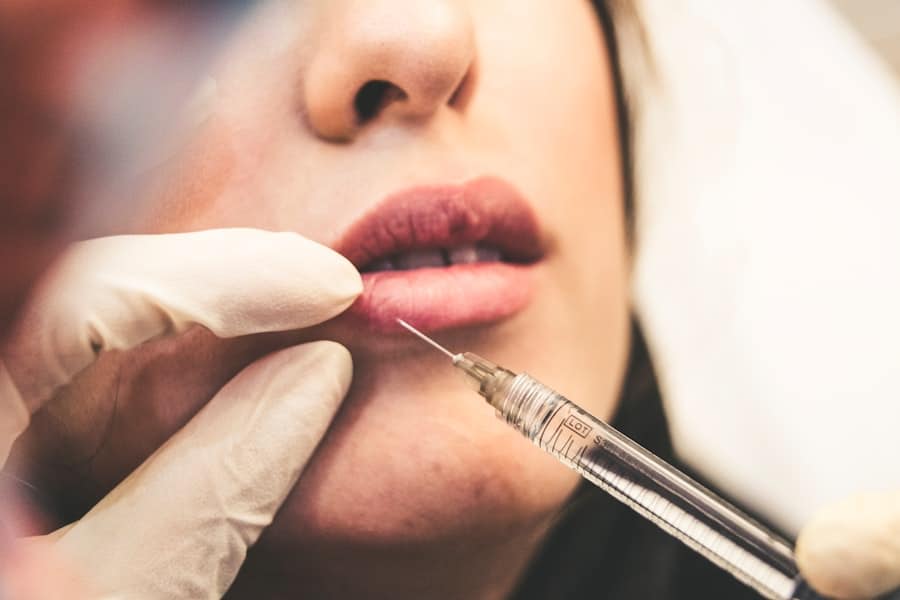
While non-surgical rhinoplasty is generally considered safe, it is not without potential risks and side effects. Common side effects include swelling, bruising, and redness at the injection site, which typically resolve within a few days. Some individuals may also experience minor discomfort or tenderness in the treated area.
In rare cases, more serious complications can occur, such as allergic reactions to the filler material or vascular occlusion if the filler is inadvertently injected into a blood vessel. This can lead to tissue damage or necrosis if not addressed promptly. It’s crucial to choose an experienced practitioner who understands facial anatomy and can minimize these risks through proper technique and assessment.
Choosing the Right Provider for Non-Surgical Rhinoplasty
Selecting the right provider for your non-surgical rhinoplasty is critical to achieving optimal results and ensuring your safety throughout the process. Look for practitioners who are board-certified in dermatology or plastic surgery and have extensive experience performing non-surgical procedures. You should also seek out reviews or testimonials from previous patients to gauge their satisfaction with the results.
During your consultation, don’t hesitate to ask questions about the practitioner’s qualifications, experience with non-surgical rhinoplasty specifically, and their approach to achieving natural-looking results. A skilled provider will take the time to understand your goals and provide personalized recommendations based on your unique facial structure.
Aftercare and Recovery
After undergoing non-surgical rhinoplasty, there are some essential aftercare steps you should follow to ensure optimal healing and results. Your practitioner will likely advise you to avoid strenuous activities and excessive sun exposure for at least 24 hours following the procedure. This helps minimize swelling and allows your body to adjust to the changes made during treatment.
You may also be advised to avoid certain medications or supplements that could increase bruising or swelling, such as aspirin or fish oil. Applying ice packs gently to the treated area can help reduce swelling and discomfort in the initial days following your procedure. Following these aftercare instructions will contribute significantly to achieving the best possible outcome from your non-surgical rhinoplasty.
How Long Do the Results of Non-Surgical Rhinoplasty Last?
The longevity of results from non-surgical rhinoplasty largely depends on several factors, including the type of filler used and individual metabolic rates. Generally speaking, most dermal fillers used in this procedure last anywhere from six months to two years before gradually being absorbed by the body. As time passes, you may notice subtle changes in your nose’s appearance as the filler dissipates.
To maintain your desired look, many individuals choose to schedule follow-up appointments for touch-ups as needed. Your practitioner can help you determine an appropriate timeline for these maintenance treatments based on how quickly your body metabolizes the filler and your aesthetic goals.
When considering whether to pursue non-surgical or surgical rhinoplasty, it’s essential to weigh both options carefully based on your needs and expectations. Non-surgical rhinoplasty offers immediate results with minimal downtime and lower risks associated with surgery; however, it is best suited for those seeking minor adjustments rather than significant structural changes. On the other hand, surgical rhinoplasty provides more permanent results and can address complex issues such as breathing difficulties or severe deformities.
However, it requires a longer recovery period and carries higher risks associated with anesthesia and surgical procedures. Ultimately, understanding these differences will help you make an informed decision about which option aligns best with your goals.
Frequently Asked Questions about Non-Surgical Rhinoplasty
As you consider non-surgical rhinoplasty, you may have several questions about the procedure itself and what it entails. One common inquiry is whether the results look natural; when performed by an experienced practitioner, non-surgical rhinoplasty can yield very natural-looking enhancements that complement your overall facial features. Another frequently asked question pertains to pain levels during the procedure; while some discomfort may occur during injections, most patients report that it is manageable thanks to topical anesthetics used beforehand.
Lastly, many individuals wonder about costs; prices can vary widely based on location and provider expertise but typically range from $600 to $1,500 per session. In conclusion, non-surgical rhinoplasty presents an appealing option for those looking to enhance their nasal appearance without undergoing invasive surgery. By understanding what this procedure entails and considering factors such as candidacy, potential risks, aftercare requirements, and provider selection, you can make an informed decision that aligns with your aesthetic goals.
Non-surgical rhinoplasty, also known as liquid rhinoplasty, is a popular alternative to traditional surgical procedures for reshaping the nose. This minimally invasive procedure involves the use of injectable fillers to correct imperfections and enhance the overall appearance of the nose. For those interested in learning more about the benefits of rhinoplasty surgery, understanding the procedure, and associated costs, a helpful article can be found at this link. This article provides valuable information on what to expect during the procedure, recovery time, and potential results.
FAQs
What is non-surgical rhinoplasty (liquid rhinoplasty)?
Non-surgical rhinoplasty, also known as liquid rhinoplasty, is a cosmetic procedure that involves using injectable fillers to reshape and contour the nose without the need for surgery.
What are the benefits of non-surgical rhinoplasty?
Non-surgical rhinoplasty offers several benefits, including minimal downtime, immediate results, and the ability to correct minor imperfections in the nose without undergoing surgery.
What fillers are commonly used in non-surgical rhinoplasty?
The most commonly used fillers in non-surgical rhinoplasty include hyaluronic acid-based fillers such as Restylane and Juvederm. These fillers are temporary and can be dissolved if necessary.
Who is a good candidate for non-surgical rhinoplasty?
Good candidates for non-surgical rhinoplasty are individuals who are looking to correct minor imperfections in the shape of their nose, such as bumps or asymmetry, without undergoing surgery. They should be in good overall health and have realistic expectations about the results.
What are the potential risks and side effects of non-surgical rhinoplasty?
Potential risks and side effects of non-surgical rhinoplasty may include temporary swelling, bruising, and redness at the injection site. In rare cases, there is a risk of infection or vascular compromise, which can lead to skin necrosis.
How long do the results of non-surgical rhinoplasty last?
The results of non-surgical rhinoplasty are temporary and typically last between 6 months to 2 years, depending on the type of filler used and individual factors such as metabolism and lifestyle. Touch-up treatments are usually required to maintain the results.