
Have you ever wondered about the cost of rhinoplasty in Australia? Whether you’re considering it for medical reasons or aesthetic purposes, determining how much you might need to budget can be challenging. In this comprehensive guide, we’ll break down the various factors that influence the cost of rhinoplasty in Australia and help you make informed decisions.
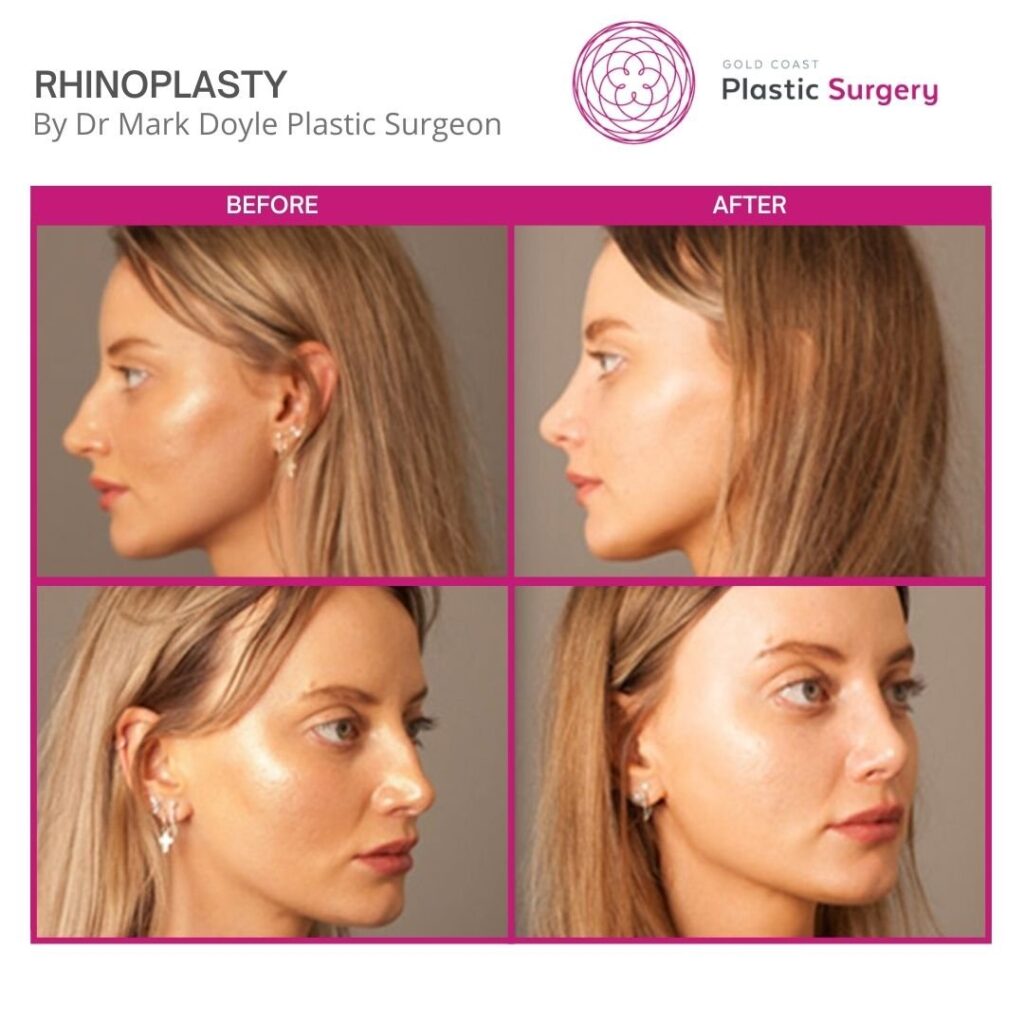
What is Rhinoplasty?
Rhinoplasty, commonly known as a nose job, is a surgical procedure aimed at altering the shape or function of the nose. It can be performed for both cosmetic reasons—to improve appearance—or medical purposes, such as correcting breathing problems or congenital defects.
Rhinoplasty procedures can vary greatly in terms of the techniques used and the complexity involved, which consequently affects the overall cost.
Factors Influencing the Cost
Type of Procedure
Rhinoplasty can be categorized into several types, each with its own cost implications:
- Open Rhinoplasty: This technique involves making an incision across the columella (the area between the nostrils) to lift the skin and provide better visibility for the surgeon. It’s generally more expensive due to its complexity.
- Closed Rhinoplasty: In this method, all incisions are made inside the nostrils, which results in less visible scarring and typically a shorter recovery time. This procedure is often less costly than open rhinoplasty.
- Revision Rhinoplasty: If a previous rhinoplasty did not yield the desired results, a revision rhinoplasty might be necessary. This type of rhinoplasty is usually more complex and therefore more expensive.
- Functional Rhinoplasty: This procedure aims to correct issues that impact breathing, such as a deviated septum. The cost can vary depending on the extent of correction needed.
Surgeon’s Experience and Expertise
Another major component of the cost is the surgeon’s fee. Highly experienced and reputable surgeons usually charge higher fees. When choosing a surgeon, it’s essential not to compromise on quality for price, as rhinoplasty is a complex procedure that requires skill and precision.
Geographic Location
The cost of medical procedures can vary depending on where you are in Australia. Generally, metropolitan areas like Sydney and Melbourne may have higher fees compared to regional areas.
Facility Fees
Hospitals and surgical centers also charge fees for their services. These can include operating room costs, anesthesia fees, and post-operative care. The quality and reputation of the facility can also affect these charges.
Additional Costs
Don’t forget to consider other costs such as pre-operative consultations, post-operative care, medication, and possible revision surgeries. These can add up and should be factored into your overall budget.
Average Cost of Rhinoplasty in Australia
While the cost can vary for the reasons mentioned above, here are some average figures to give you an idea:
| Type of Rhinoplasty | Estimated Cost (AUD) |
|---|---|
| Open Rhinoplasty | $10,000 to $20,000 |
| Closed Rhinoplasty | $8,000 to $15,000 |
| Revision Rhinoplasty | $15,000 to $25,000 |
| Functional Rhinoplasty | $9,000 to $18,000 |
These costs are approximate and can fluctuate. Always consult directly with your chosen surgeon for a more accurate quote.
Payment Options and Insurance
Payment Plans
Many surgical facilities and clinics offer payment plans to help you manage the cost. These can include monthly installments, medical loans, or even financing options through third-party providers. Always read the terms and conditions carefully before committing to a payment plan.
Insurance Coverage
Functional rhinoplasty, aimed at correcting medical issues, may be partially covered by Medicare or private health insurance. However, cosmetic rhinoplasty is typically not covered by insurance. It’s advisable to check with your insurance provider to understand the scope of your coverage.
How to Choose a Surgeon
Credentials
Ensure your surgeon is accredited by relevant medical boards in Australia. This guarantees they have the necessary qualifications and adhere to professional standards.
Experience
Look for surgeons who specialize in rhinoplasty and have extensive experience performing the procedure. Surgeons with a track record of successful surgeries are more likely to deliver satisfactory results.
Reviews and Testimonials
Patient reviews and testimonials can provide valuable insights into what you can expect. Look for consistent positive feedback and be wary of surgeons with numerous negative reviews.
The Consultation Process
Initial Consultation
During the initial consultation, the surgeon will assess your nose and discuss your goals. They may take photographs and use imaging software to show you potential outcomes. This is also your opportunity to ask questions and express any concerns.
Pre-Operative Instructions
If you decide to go ahead with the surgery, your surgeon will provide you with pre-operative instructions. These may include guidelines on eating, drinking, and medication use in the days leading up to the surgery.
The Procedure
Day of Surgery
On the day of the surgery, you will be admitted to the hospital or surgical facility. You will meet with your surgeon and anesthetist, who will review the procedure one last time before you are put under anesthesia.
Surgery Process
The surgery itself can take anywhere from one to four hours, depending on its complexity. The surgeon will make the necessary incisions, sculpt the nose, and then close the incisions with sutures.
Recovery Time
Post-operative care is crucial for a successful recovery. You may experience swelling, bruising, and discomfort for several weeks. It’s essential to follow your surgeon’s post-operative instructions carefully to ensure proper healing.
Risks and Complications
Common Risks
Like any surgery, rhinoplasty comes with its risks. Common complications can include:
- Infection
- Bleeding
- Scarring
- Difficulty breathing
Rare Complications
Though rare, more serious complications can occur, such as:
- Anesthesia complications
- Unsatisfactory results, requiring revision surgery
- Nasal septal perforation (a hole in the nasal septum)
Post-Operative Care
Immediate Aftercare
Post-operative care involves regular check-ups to monitor your healing progress. You may be advised to keep your head elevated and avoid strenuous activities for several weeks.
Long-Term Care
Even after the initial recovery period, it can take up to a year for the final results to fully manifest. Follow-up consultations with your surgeon will help in tracking your long-term healing and addressing any concerns.
Alternatives to Surgical Rhinoplasty
Non-Surgical Rhinoplasty
For those who are hesitant about surgery, non-surgical options like injectable fillers are available. While these are generally less expensive and require minimal recovery time, the results are not permanent and typically last between 6 to 18 months.
DIY and At-Home Methods
There are also various over-the-counter products and at-home methods that claim to alter the shape of your nose. However, these methods are generally ineffective and not medically recommended.

Questions to Ask Your Surgeon
Before the Surgery
- What are your qualifications and experience in performing rhinoplasty?
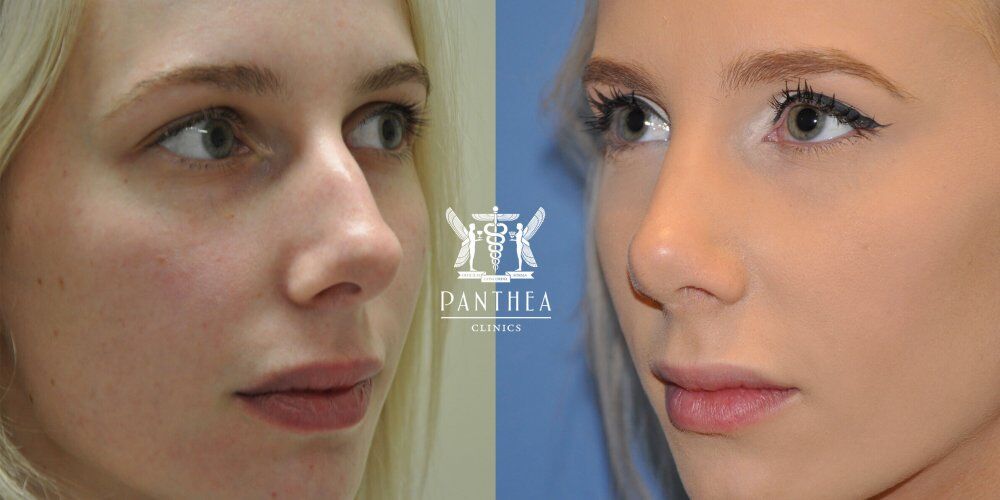
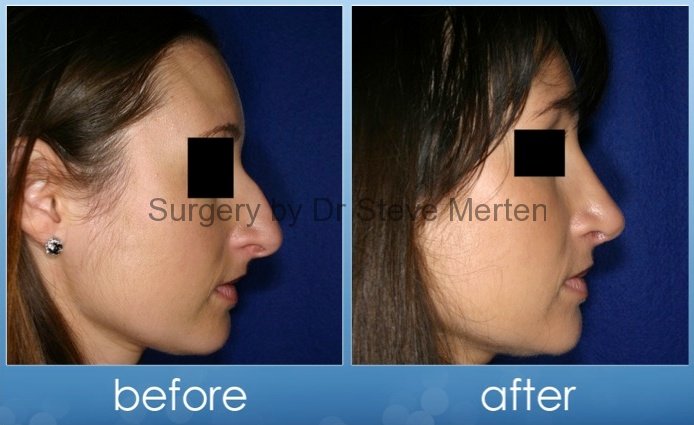
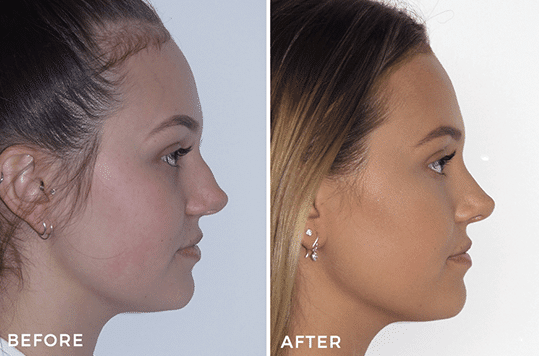
- Can I see before-and-after photos of previous patients?
- What should I expect during the recovery process?
After the Surgery
- How should I manage pain and discomfort?
- When can I resume normal activities, including exercise?
- What signs of complications should I watch out for?
Conclusion
Understanding the cost and intricacies of rhinoplasty in Australia is crucial for making an informed decision. This comprehensive guide aims to equip you with the knowledge you need to navigate the process, from choosing a surgeon to understanding payment options and post-operative care. Remember, investing in a qualified and experienced surgeon will significantly impact the success of your rhinoplasty. If you’re considering this procedure, take the time to research and consult with multiple professionals to ensure you’re making the best choice for both your health and aesthetic goals.