
Liquid rhinoplasty has emerged as a revolutionary alternative to traditional surgical procedures, offering individuals a non-invasive option to enhance the appearance of their noses. This innovative technique utilizes dermal fillers to reshape and contour the nasal structure, allowing for immediate results without the need for extensive downtime. As you explore the possibilities of liquid rhinoplasty, you may find it an appealing choice if you desire subtle changes or wish to correct minor imperfections in your nose.
The allure of liquid rhinoplasty lies not only in its non-surgical nature but also in its ability to provide a customizable experience tailored to your unique facial features. Whether you are looking to smooth out bumps, lift a drooping tip, or achieve a more balanced profile, this procedure can be an effective solution. As you delve deeper into the intricacies of liquid rhinoplasty, you will discover how it works, its benefits, and what you can expect from the process.
Key Takeaways
- Liquid rhinoplasty is a non-surgical procedure that uses dermal fillers to reshape and contour the nose.
- Understanding the anatomy of the nose is crucial for a successful liquid rhinoplasty procedure.
- Fillers are used in liquid rhinoplasty to add volume, reshape the nose, and correct minor imperfections.
- Liquid rhinoplasty works by strategically injecting fillers to achieve the desired shape and symmetry of the nose.
- Potential risks and side effects of liquid rhinoplasty include bruising, swelling, and the rare possibility of vascular compromise.
Understanding the Anatomy of the Nose
To fully appreciate the benefits of liquid rhinoplasty, it is essential to understand the anatomy of the nose. The nose is a complex structure composed of bone, cartilage, and soft tissue, each playing a vital role in its overall shape and function. The nasal bridge, tip, and nostrils are key areas that can be targeted during a liquid rhinoplasty procedure.
By familiarizing yourself with these components, you can better articulate your desired outcomes to your practitioner. The nasal anatomy varies significantly from person to person, which is why a personalized approach is crucial. For instance, some individuals may have a prominent dorsal hump that they wish to smooth out, while others may seek to refine the tip for a more aesthetically pleasing appearance.
Understanding your unique nasal structure will empower you to make informed decisions about the enhancements you wish to pursue through liquid rhinoplasty.
The Role of Fillers in Liquid Rhinoplasty

Fillers play a pivotal role in liquid rhinoplasty, serving as the primary substance used to achieve desired changes in the nose’s shape and contour. Hyaluronic acid-based fillers are commonly employed due to their biocompatibility and ability to provide natural-looking results. When injected strategically into specific areas of the nose, these fillers can add volume, smooth out irregularities, and enhance overall symmetry.
One of the significant advantages of using fillers in this procedure is their reversibility. If you are not satisfied with the results or wish to make adjustments, hyaluronic acid fillers can be dissolved using an enzyme called hyaluronidase. This feature offers peace of mind for those who may be apprehensive about committing to permanent changes.
As you consider liquid rhinoplasty, understanding the role of fillers will help you appreciate their transformative potential.
How Liquid Rhinoplasty Works
The process of liquid rhinoplasty is relatively straightforward and typically takes less than an hour to complete. During your consultation, your practitioner will assess your nasal anatomy and discuss your aesthetic goals. Once a treatment plan is established, the procedure begins with the application of a topical anesthetic to minimize discomfort during the injections.
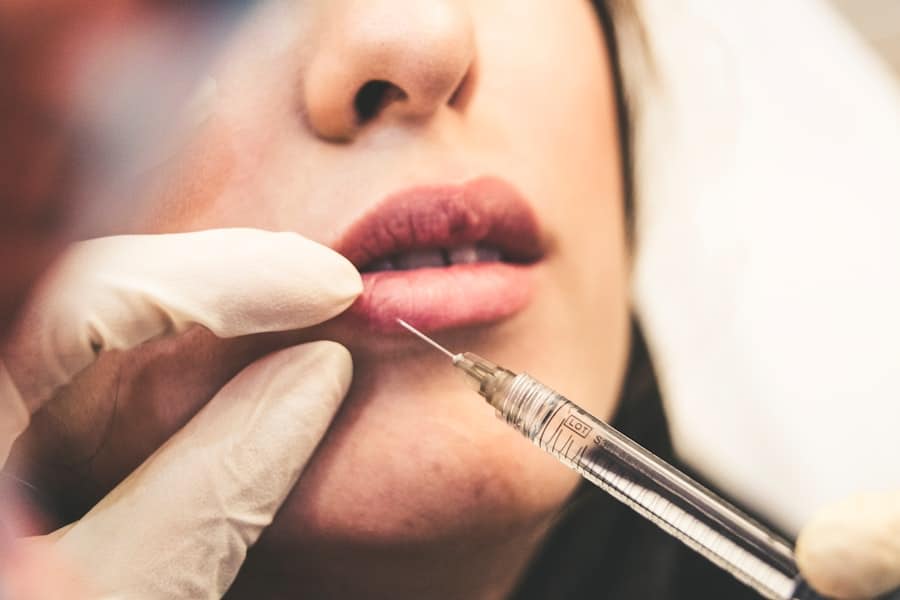
Using a fine needle, your practitioner will carefully inject the filler into targeted areas of your nose. The precise placement of the filler is crucial for achieving natural-looking results, as it requires an artistic eye and a deep understanding of facial anatomy. You may notice immediate changes as the filler is injected, with final results becoming more apparent as any swelling subsides over the following days.
This quick turnaround time is one of the many reasons individuals are drawn to liquid rhinoplasty.
Potential Risks and Side Effects
While liquid rhinoplasty is generally considered safe, it is essential to be aware of potential risks and side effects associated with the procedure. Common side effects include swelling, bruising, and redness at the injection sites, which typically resolve within a few days. However, more serious complications can occur, such as infection or allergic reactions to the filler material.
To minimize risks, it is crucial to choose a qualified practitioner who has experience in performing liquid rhinoplasty. They will be able to assess your individual risk factors and provide guidance on what to expect during and after the procedure. By being informed about potential side effects and taking necessary precautions, you can approach your liquid rhinoplasty with confidence.
The Importance of Choosing a Qualified Practitioner
Selecting a qualified practitioner is perhaps one of the most critical steps in ensuring a successful liquid rhinoplasty experience. You should seek out professionals who are board-certified and have extensive training in facial aesthetics. A skilled practitioner will not only have a deep understanding of nasal anatomy but also possess an artistic sensibility that allows them to create harmonious results tailored to your unique features.
During your initial consultation, take the time to ask questions about their experience with liquid rhinoplasty and request before-and-after photos of previous patients. This will give you insight into their skill level and help you gauge whether their aesthetic vision aligns with yours. Remember that this is your face; investing time in finding the right practitioner can significantly impact your satisfaction with the results.
Comparing Liquid Rhinoplasty to Surgical Rhinoplasty
When considering nasal enhancement options, it is essential to compare liquid rhinoplasty with traditional surgical rhinoplasty. While both procedures aim to improve the appearance of the nose, they differ significantly in terms of technique, recovery time, and permanence. Surgical rhinoplasty involves making incisions and reshaping the underlying structures of the nose, resulting in more dramatic changes but requiring longer recovery periods.
In contrast, liquid rhinoplasty offers a non-invasive solution with minimal downtime. You can typically return to your daily activities shortly after the procedure, making it an attractive option for those with busy lifestyles or those who are hesitant about undergoing surgery. However, it is important to note that while liquid rhinoplasty can provide significant improvements, it may not be suitable for individuals seeking major structural changes or corrections.
Recovery and Aftercare for Liquid Rhinoplasty
Recovery from liquid rhinoplasty is generally quick and straightforward. Most individuals experience mild swelling and bruising at the injection sites, which usually resolves within a few days. To aid in your recovery, it is advisable to avoid strenuous activities and excessive sun exposure for at least 24 hours post-procedure.
Additionally, applying ice packs can help reduce swelling and discomfort. Your practitioner will provide specific aftercare instructions tailored to your needs. Following these guidelines is crucial for achieving optimal results and minimizing any potential complications.
As you navigate your recovery journey, remember that patience is key; while you may see immediate improvements, final results will become more apparent as any residual swelling subsides over time.
Who is a Good Candidate for Liquid Rhinoplasty
Liquid rhinoplasty can be an excellent option for various individuals seeking subtle enhancements to their nasal appearance. Ideal candidates are typically those who wish to address minor imperfections such as bumps on the bridge or asymmetry in the tip without undergoing invasive surgery. If you are looking for a temporary solution or are unsure about committing to permanent changes, liquid rhinoplasty may be particularly appealing.
However, it is essential to have realistic expectations about what this procedure can achieve. While liquid rhinoplasty can provide significant improvements for many people, it may not be suitable for those requiring extensive structural changes or those with certain medical conditions that could complicate the procedure. Consulting with a qualified practitioner will help determine if you are a good candidate for this innovative treatment.
Long-term Results and Maintenance
One of the appealing aspects of liquid rhinoplasty is its temporary nature; results typically last between six months to two years depending on factors such as the type of filler used and individual metabolism. To maintain your desired appearance, you may need periodic touch-up treatments as the filler gradually dissipates over time. This allows for flexibility in adjusting your look as your preferences evolve.
Understanding that liquid rhinoplasty is not a permanent solution can also alleviate some pressure associated with making irreversible changes to your appearance. You have the opportunity to reassess your aesthetic goals periodically and make adjustments as needed. This adaptability makes liquid rhinoplasty an attractive option for those who appreciate having control over their cosmetic enhancements.
The Future of Liquid Rhinoplasty
As advancements in cosmetic procedures continue to evolve, liquid rhinoplasty stands out as a promising option for individuals seeking non-invasive enhancements to their nasal appearance. With its ability to provide immediate results and minimal downtime, this technique has gained popularity among those looking for subtle yet impactful changes. As you consider this innovative approach, keep in mind that thorough research and careful selection of a qualified practitioner are essential for achieving optimal outcomes.
The future of liquid rhinoplasty looks bright as new techniques and formulations emerge, further enhancing its safety and effectiveness. As more individuals become aware of this option, it is likely that liquid rhinoplasty will continue to grow in popularity as an alternative to traditional surgical methods. By staying informed about developments in this field and understanding what liquid rhinoplasty entails, you can make empowered decisions about your aesthetic journey and embrace the possibilities that lie ahead.
If you are interested in learning more about the costs associated with rhinoplasty surgery, you may want to check out this article on rhinoplasty surgery costs in Alexandria, Virginia. Understanding the financial aspect of this procedure is important for those considering undergoing a liquid rhinoplasty. Additionally, this article delves into the art and science behind rhinoplasty surgery, providing valuable insights into the transformative nature of the procedure. For those specifically interested in rhinoplasty surgery costs in St. Louis, Missouri, this article offers detailed information on pricing and considerations for individuals in that area.
FAQs
What is liquid rhinoplasty?
Liquid rhinoplasty, also known as non-surgical rhinoplasty, is a cosmetic procedure that involves the use of injectable fillers to reshape and contour the nose without the need for surgery.
How does liquid rhinoplasty work?
During a liquid rhinoplasty procedure, a cosmetic surgeon injects dermal fillers, such as hyaluronic acid, into specific areas of the nose to smooth out bumps, correct asymmetry, and improve the overall appearance of the nose.
What are the benefits of liquid rhinoplasty?
Liquid rhinoplasty offers several benefits, including minimal downtime, immediate results, and the ability to make subtle changes to the nose without undergoing surgery. It is also a less invasive and more affordable alternative to traditional surgical rhinoplasty.
Are there any risks or side effects associated with liquid rhinoplasty?
While liquid rhinoplasty is generally considered safe, there are potential risks and side effects, such as temporary swelling, bruising, and the possibility of filler migration. It is important to choose a qualified and experienced cosmetic surgeon to minimize these risks.
How long do the results of liquid rhinoplasty last?
The duration of results from liquid rhinoplasty can vary depending on the type of filler used and individual factors. In general, the effects of hyaluronic acid fillers typically last 6-12 months, after which additional treatments may be needed to maintain the desired results.