
Rhinoplasty, commonly referred to as a nose job, is a surgical procedure designed to reshape or enhance the appearance of the nose. This transformative surgery can address various concerns, from correcting structural issues that affect breathing to refining the aesthetic aspects of the nose. If you have ever felt self-conscious about the size or shape of your nose, rhinoplasty may offer a solution that boosts your confidence and improves your overall facial harmony.
The procedure can be tailored to meet your specific needs, making it a popular choice among individuals seeking both functional and cosmetic improvements. As you consider rhinoplasty, it’s essential to understand the different approaches available. Surgical rhinoplasty is the traditional method that involves making incisions and physically altering the nasal structure.
On the other hand, non-surgical rhinoplasty utilizes injectable fillers to achieve a more subtle change without the need for invasive surgery. Each option has its unique benefits and considerations, which you will want to explore thoroughly before making a decision. Understanding these differences will empower you to choose the best path for your aesthetic goals.
Key Takeaways
- Rhinoplasty is a surgical procedure to reshape the nose for cosmetic or functional purposes.
- Surgical rhinoplasty involves incisions and reshaping of the bone and cartilage, while non-surgical rhinoplasty uses injectable fillers to reshape the nose.
- Recovery time for surgical rhinoplasty is longer, with swelling and bruising lasting for several weeks, while non-surgical rhinoplasty has minimal downtime.
- Risks of surgical rhinoplasty include infection, bleeding, and anesthesia complications, while non-surgical rhinoplasty risks include temporary swelling and possible filler migration.
- Surgical rhinoplasty results are permanent, while non-surgical rhinoplasty results are temporary and may require touch-up treatments.
Surgical Rhinoplasty: Procedure and Process
The surgical rhinoplasty process begins with an initial consultation where you discuss your goals with a qualified surgeon. During this meeting, you will undergo a thorough evaluation of your nasal structure and facial features. Your surgeon will take photographs and may use imaging technology to help visualize potential outcomes.
This step is crucial as it sets the foundation for your personalized surgical plan. You will also discuss anesthesia options, which can range from local anesthesia with sedation to general anesthesia, depending on the complexity of your procedure. On the day of the surgery, you will arrive at the surgical facility, where you will be prepared for the procedure.
The surgeon will make incisions either inside the nostrils (closed rhinoplasty) or across the base of the nose (open rhinoplasty), allowing access to the underlying structures. Cartilage and bone may be reshaped, removed, or added to achieve the desired contour. Once the adjustments are made, the incisions are carefully closed, and you will be taken to a recovery area to begin your healing process.
The entire procedure typically lasts between one to three hours, depending on the extent of the changes being made.
Non-Surgical Rhinoplasty: Procedure and Process

Non-surgical rhinoplasty offers a less invasive alternative for those looking to enhance their nose without undergoing surgery. This procedure primarily involves the use of dermal fillers, which are injected into specific areas of the nose to create a more balanced appearance. The process begins with a consultation where you discuss your aesthetic goals with a qualified practitioner.
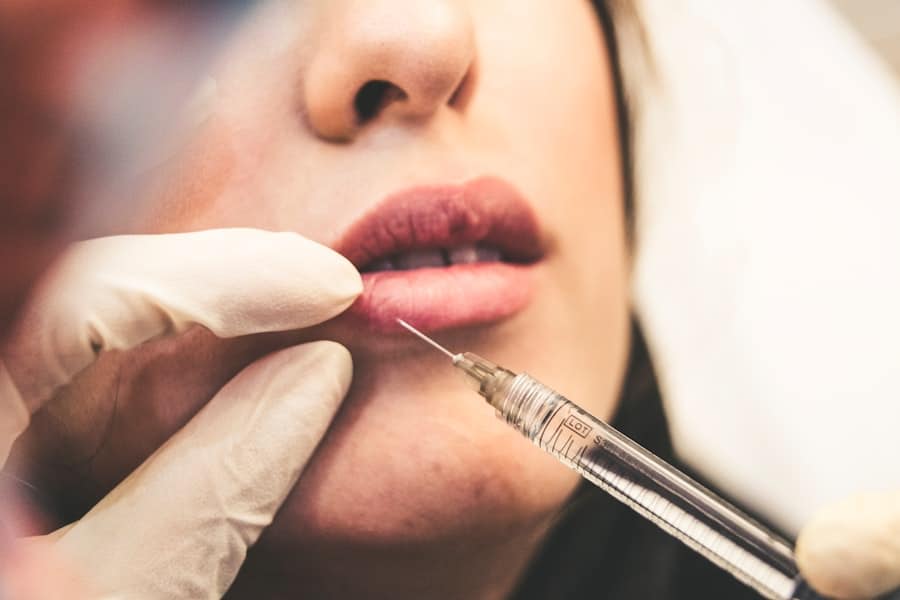
They will assess your facial features and determine the best approach to achieve your desired results. During the non-surgical procedure, which usually takes about 15 to 30 minutes, a topical anesthetic may be applied to minimize discomfort. The practitioner will then carefully inject fillers into targeted areas of your nose, such as the bridge or tip, to smooth out bumps or enhance definition.
One of the significant advantages of this method is that it requires no downtime; you can return to your daily activities almost immediately after treatment. However, it’s important to note that while non-surgical rhinoplasty can provide impressive results, they are temporary and typically last between six months to two years.
Recovery Time and Aftercare for Surgical Rhinoplasty
Recovery from surgical rhinoplasty is a critical phase that requires careful attention to ensure optimal healing and results. Immediately after surgery, you may experience swelling, bruising, and discomfort around your nose and eyes. These symptoms are normal and can be managed with prescribed pain medication and cold compresses.
Most patients are advised to rest for at least a week following their procedure, during which time you should avoid strenuous activities and keep your head elevated to minimize swelling. As you progress in your recovery, it’s essential to follow your surgeon’s aftercare instructions closely. This may include avoiding blowing your nose for several weeks, keeping incisions clean, and attending follow-up appointments for monitoring your healing process.
While many people return to work or school within one to two weeks, full recovery can take several months as swelling gradually subsides and final results become apparent. Patience is key during this time, as it allows your body to heal properly and ensures that you achieve the best possible outcome.
Recovery Time and Aftercare for Non-Surgical Rhinoplasty
The recovery process for non-surgical rhinoplasty is significantly shorter than that of its surgical counterpart. Since this procedure involves minimal invasiveness, most individuals can resume their normal activities almost immediately after treatment. You may experience some mild swelling or bruising at the injection sites, but these effects typically resolve within a few days.
Applying ice packs can help alleviate any discomfort and reduce swelling. Aftercare for non-surgical rhinoplasty is relatively straightforward. It’s advisable to avoid strenuous exercise or activities that could increase blood flow to your face for at least 24 hours post-treatment.
Additionally, steering clear of excessive sun exposure or heat can help maintain your results longer. While you may be eager to see immediate changes in your appearance, keep in mind that final results will continue to improve over the following weeks as any residual swelling subsides.
Risks and Complications of Surgical Rhinoplasty
Like any surgical procedure, surgical rhinoplasty carries inherent risks and potential complications that you should be aware of before proceeding. Common risks include infection, excessive bleeding, and adverse reactions to anesthesia. Additionally, there is a possibility of dissatisfaction with aesthetic results if expectations are not aligned with what can realistically be achieved through surgery.
In some cases, revision surgery may be necessary if significant issues arise. Another concern is the potential for scarring, particularly with open rhinoplasty where incisions are made externally. While skilled surgeons strive to minimize visible scarring, it’s important to understand that some degree of scarring is inevitable with any surgical intervention.
Furthermore, changes in nasal sensation or breathing difficulties can occur in rare cases. Thoroughly discussing these risks with your surgeon during consultations will help you make an informed decision about whether surgical rhinoplasty is right for you.
Risks and Complications of Non-Surgical Rhinoplasty
Non-surgical rhinoplasty is generally considered safer than its surgical counterpart; however, it is not without risks and complications. The most common side effects include temporary swelling, bruising, and redness at the injection sites. While these effects usually resolve quickly, there is also a risk of more serious complications such as vascular occlusion if filler is inadvertently injected into a blood vessel.
This can lead to tissue necrosis or vision problems if not addressed promptly. Additionally, because non-surgical rhinoplasty relies on fillers that are temporary in nature, there is always a chance that results may not meet your expectations or may fade sooner than anticipated. It’s crucial to choose an experienced practitioner who understands facial anatomy and has a track record of successful outcomes in order to minimize these risks.
Open communication about potential complications during your consultation will help set realistic expectations for your treatment.
Results and Longevity of Surgical Rhinoplasty
One of the most appealing aspects of surgical rhinoplasty is its potential for long-lasting results. Once fully healed, many patients enjoy their new nasal shape for years or even decades without needing further intervention. The final outcome typically becomes apparent within six months to a year after surgery as swelling subsides and tissues settle into their new positions.
This permanence makes surgical rhinoplasty an attractive option for those seeking significant changes. However, it’s important to note that while results are long-lasting, they are not entirely immune to changes over time due to factors such as aging or weight fluctuations. Your nose may continue to evolve as you age; therefore, maintaining realistic expectations about how your results may change over time is essential.
Regular follow-ups with your surgeon can help monitor any changes and address concerns as they arise.
Results and Longevity of Non-Surgical Rhinoplasty
In contrast to surgical rhinoplasty, non-surgical rhinoplasty offers more immediate but temporary results. The effects of dermal fillers typically last between six months to two years before gradually fading away as your body metabolizes the filler material. While many individuals appreciate the ability to enhance their appearance without committing to permanent changes, it’s essential to understand that touch-up treatments will be necessary to maintain desired results.
The immediate nature of non-surgical rhinoplasty allows for quick adjustments; if you’re not satisfied with the outcome, fillers can often be dissolved using an enzyme called hyaluronidase. This flexibility makes non-surgical options appealing for those who may be hesitant about undergoing surgery or who want to experiment with their appearance before committing to more permanent changes.
Cost Comparison between Surgical and Non-Surgical Rhinoplasty
When considering rhinoplasty options, cost is often a significant factor in decision-making. Surgical rhinoplasty tends to be more expensive due to its complexity and the resources required for an operating room setting, anesthesia, and post-operative care. Prices can vary widely based on geographic location, surgeon experience, and facility fees but generally range from $5,000 to $15,000 or more.
On the other hand, non-surgical rhinoplasty is typically more budget-friendly; treatment costs usually range from $600 to $2,000 depending on the amount of filler used and practitioner fees. While non-surgical options may seem more accessible financially upfront, keep in mind that multiple treatments may be necessary over time due to their temporary nature. Evaluating both options in terms of long-term costs versus immediate financial impact will help you make an informed decision.
Choosing the Right Option for You: Factors to Consider
Deciding between surgical and non-surgical rhinoplasty involves careful consideration of various factors unique to your situation. First and foremost, assess your aesthetic goals: Are you looking for significant changes that require structural alterations? If so, surgical rhinoplasty may be more appropriate for achieving lasting results.
Conversely, if you desire subtle enhancements or wish to test out changes before committing fully, non-surgical options could be ideal. Additionally, consider your lifestyle and recovery preferences. Surgical rhinoplasty requires downtime for healing and recovery; if you have a busy schedule or cannot afford extended time off work or social activities, non-surgical options might better suit your needs.
Finally, consult with qualified professionals who can provide insights tailored specifically to you—this collaboration will ensure that whatever choice you make aligns with both your desires and practical considerations. In conclusion, whether you opt for surgical or non-surgical rhinoplasty depends on various personal factors including desired outcomes, budget constraints, recovery time preferences, and risk tolerance levels associated with each procedure type. By thoroughly researching both options and consulting with experienced professionals in the field of cosmetic surgery or dermatology respectively—you’ll be well-equipped to make an informed decision that enhances not only your appearance but also boosts your confidence in everyday life.
If you are considering rhinoplasty surgery, it is important to understand the key differences between surgical and non-surgical options. A related article that provides valuable information on the costs associated with rhinoplasty surgery in different locations is Rhinoplasty Surgery Costs in Cary, North Carolina. This article can help you make an informed decision about which type of rhinoplasty procedure is right for you based on your budget and desired outcome.
FAQs
What is surgical rhinoplasty?
Surgical rhinoplasty, also known as a “nose job,” is a cosmetic procedure that involves making physical changes to the structure of the nose through incisions and manipulation of the nasal bones and cartilage.
What is non-surgical rhinoplasty?
Non-surgical rhinoplasty, also known as a “liquid nose job,” is a minimally invasive cosmetic procedure that involves the use of injectable fillers to reshape and contour the nose without the need for surgery.
What are the key differences between surgical and non-surgical rhinoplasty?
The key differences between surgical and non-surgical rhinoplasty include the invasiveness of the procedures, the permanence of the results, the recovery time, and the ability to address certain types of nasal issues. Surgical rhinoplasty requires incisions and has a longer recovery time, but it can address more complex structural issues. Non-surgical rhinoplasty is less invasive, has minimal downtime, and provides temporary results that may need to be maintained with repeat treatments.
Which procedure is more suitable for addressing specific nasal concerns?
Surgical rhinoplasty is more suitable for addressing structural issues such as correcting a deviated septum, reducing the size of the nose, or altering the shape of the nasal tip. Non-surgical rhinoplasty is more suitable for minor cosmetic enhancements, such as smoothing out bumps or filling in depressions on the nose.
What are the potential risks and complications associated with surgical and non-surgical rhinoplasty?
Surgical rhinoplasty carries risks such as infection, bleeding, anesthesia complications, and the possibility of unsatisfactory aesthetic results. Non-surgical rhinoplasty carries risks such as injection-related complications, such as bruising, swelling, and the rare possibility of vascular compromise leading to skin necrosis. It is important to consult with a qualified and experienced medical professional to discuss the potential risks and complications associated with each procedure.