
Have you ever wondered what rhinoplasty surgery entails or how it could benefit you? If so, you’re not alone. Many people are curious about this commonly performed procedure, often referred to as a “nose job.” Understanding the ins and outs of rhinoplasty can give you a clearer picture of what to expect if you ever consider it.
What is Rhinoplasty Surgery?
Rhinoplasty surgery, colloquially known as a “nose job,” is a surgical procedure aimed at altering the shape of the nose. This can be for cosmetic reasons, such as improving appearance, or functional reasons, like correcting breathing issues. The procedure can involve changes to the nasal bones, cartilage, skin, or all three.
The History of Rhinoplasty
Rhinoplasty is not a new invention. Its history dates back thousands of years, with some of the earliest known surgeries performed in ancient India. The technique has evolved considerably, incorporating advancements in surgical methods and technologies to become safer and more effective.
Purpose of Rhinoplasty
Rhinoplasty serves dual purposes: cosmetic and medical. While some individuals seek the procedure to enhance their facial harmony, others might require it to address medical issues such as a deviated septum or congenital deformities.
| Cosmetic Purposes | Medical Purposes |
|---|---|
| Improve nose shape and size | Correct breathing problems |
| Harmonize facial features | Fix nasal fractures |
| Enhance self-esteem | Solve congenital issues |
Types of Rhinoplasty
Rhinoplasty is not a one-size-fits-all procedure. There are various types, each serving different needs and preferences.
Closed Rhinoplasty
In closed rhinoplasty, all surgical incisions are made inside the nostrils. This means there are no visible scars. It’s usually suitable for minor adjustments and has a quicker recovery time compared to open rhinoplasty.
Open Rhinoplasty
Open rhinoplasty involves making an incision across the columella, the tissue dividing the nostrils. This approach provides better visibility and control, making it ideal for more complex changes. However, it might leave a small scar, although it typically fades over time.
Revision Rhinoplasty
Revision rhinoplasty, or secondary rhinoplasty, is performed to correct issues from a previous surgery. Problems might include aesthetic concerns or functional issues like breathing difficulties. It’s more complex than an initial rhinoplasty and requires a seasoned surgeon.
Tip Rhinoplasty
Tip rhinoplasty focuses solely on altering the nasal tip. This can mean making the nose tip smaller, redefining its shape, or correcting asymmetry. It’s less invasive compared to full rhinoplasty since it doesn’t involve the nasal bones.
The Consultation Process
Before undergoing rhinoplasty, a thorough consultation with a qualified surgeon is essential. This step involves discussing your goals, medical history, and what to expect.
Initial Assessment
In your initial assessment, the surgeon will examine your nose and facial structure. They’ll discuss your medical background to ensure you’re a suitable candidate for surgery. Conditions like nasal obstructions or prior nasal surgeries will be noted.
Setting Realistic Expectations
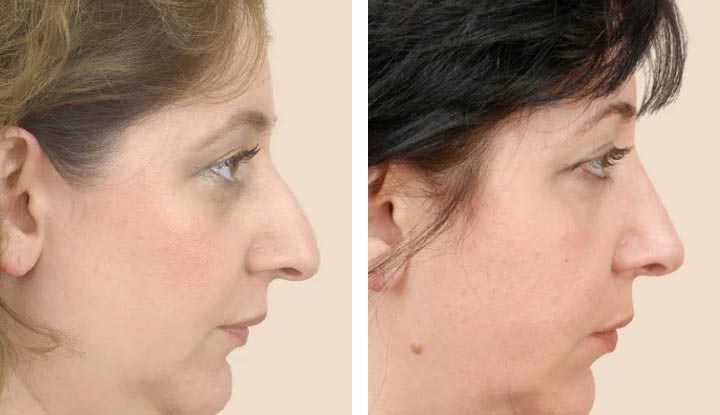
An important part of the consultation is setting realistic expectations. Surgeons often use digital imaging to show potential results, helping you understand what is achievable and avoid unrealistic goals.
Pre-Operative Instructions
You’ll receive specific instructions to prepare for the surgery. This might include avoiding certain medications, fasting guidelines, and overall health recommendations. Adherence to these guidelines is crucial for a successful outcome.
The Surgical Procedure
Understanding the surgical procedure itself can ease some of the anxieties surrounding rhinoplasty. Here’s a breakdown of what typically happens on the day of the surgery.
Anesthesia
Rhinoplasty is usually performed under general anesthesia, which means you’ll be asleep during the procedure. In some cases, local anesthesia with sedation may be used.
Incisions
Whether you undergo open or closed rhinoplasty, the surgeon will make precise incisions to access the underlying structures of your nose. The type of incision will depend on the specifics of your surgery.
Reshaping the Nose
The surgeon will then reshape the bone, cartilage, and soft tissues. This may involve removing or adding material, depending on your goals. If you’re having functional issues addressed, such as a deviated septum, this will be corrected during the procedure.
Closing the Incisions
Finally, the incisions are closed using sutures. Any external incision (in the case of open rhinoplasty) will be meticulously stitched to minimize scarring. Bandages or splints may be applied to support the new structure of your nose as it heals.

Post-Operative Care
Post-operative care is critical to a successful recovery. Knowing what to expect can help you prepare and follow your surgeon’s guidelines diligently.
Immediate Aftercare
Immediately following the surgery, you will be monitored in a recovery room. You may experience swelling, bruising, and some discomfort, which is normal. Pain medication and cold compresses can help manage these symptoms.
Do’s and Don’ts
Your surgeon will provide a list of do’s and don’ts to follow strictly.
| Do’s | Don’ts |
|---|---|
| Keep your head elevated | Avoid strenuous activities |
| Follow prescribed medication | Don’t blow your nose |
| Attend all follow-up appointments | Don’t wear glasses on the nose |
Long-Term Care
Long-term care focuses on ensuring that your nose heals correctly and that you achieve the desired results. This involves regular follow-ups and possibly lifestyle adjustments, such as avoiding smoking and maintaining a healthy diet.
Potential Complications
While rhinoplasty is generally safe, it’s not without risks. Potential complications can include infection, poor wound healing, and nasal asymmetry. It’s crucial to discuss these risks with your surgeon during the consultation.
Benefits of Rhinoplasty
The benefits of rhinoplasty are extensive and can be both physical and emotional.
Improved Appearance
By aligning your nose with the rest of your facial features, rhinoplasty can enhance your overall appearance. This is one of the most noticeable and immediate benefits.
Enhanced Breathing
For those who undergo rhinoplasty for functional reasons, an improved ability to breathe can drastically improve quality of life. Correcting a deviated septum or other structural issues can lead to better sleep and increased physical performance.
Boosted Self-Confidence
A successful rhinoplasty can dramatically boost your self-confidence. Feeling good about your appearance can positively affect various aspects of your life, from personal relationships to professional endeavors.
Choosing the Right Surgeon
Selecting the right surgeon is perhaps the most critical decision you’ll make when considering rhinoplasty.
Credentials
Ensure your surgeon is board-certified and has extensive experience in performing rhinoplasty. Check for memberships in professional organizations, such as the American Board of Plastic Surgery.
Portfolio and Reviews
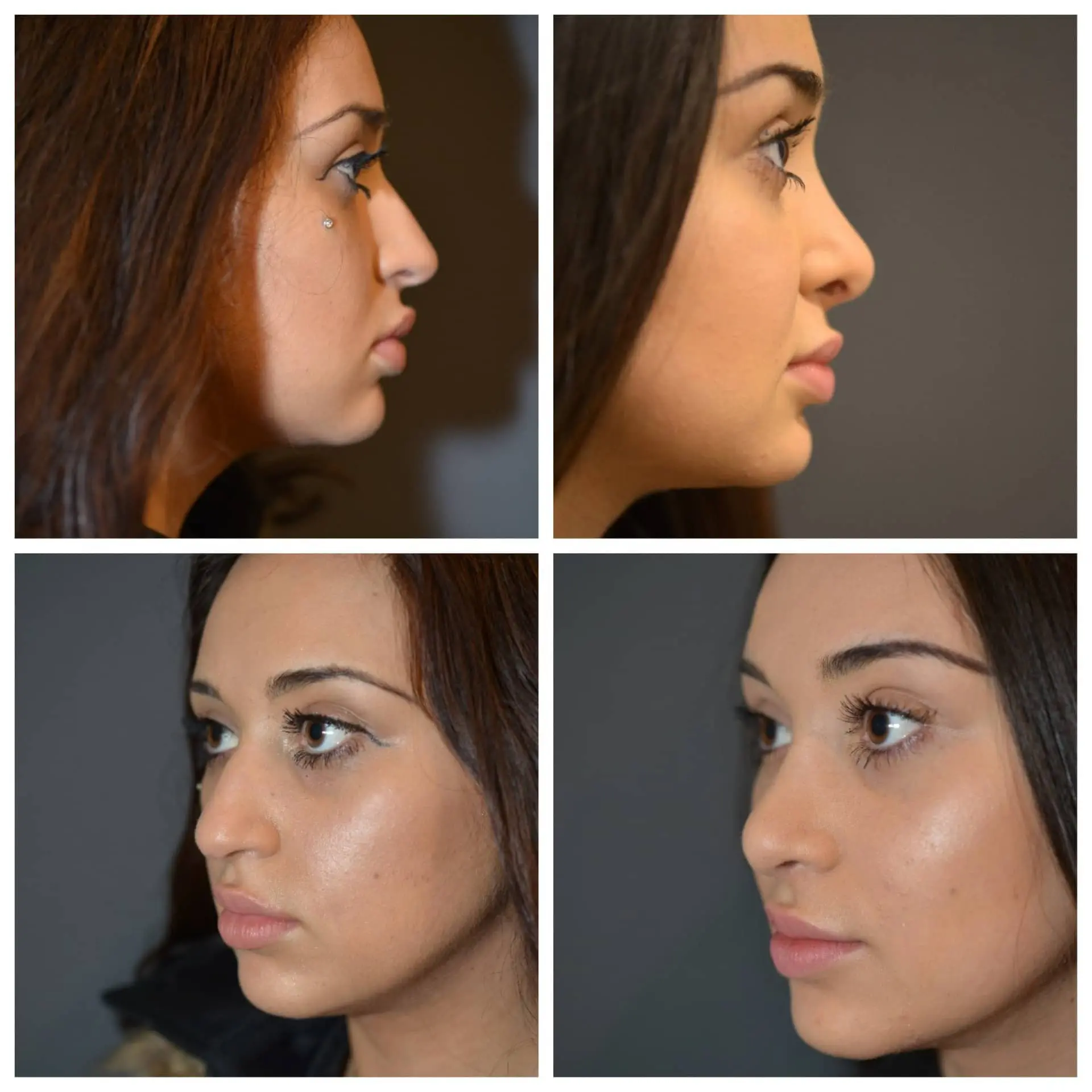
Review before-and-after photos of previous patients and read reviews or testimonials. This can give you a sense of the surgeon’s skill and patient satisfaction.
Comfort Level
You should feel comfortable and confident in your surgeon’s ability to perform the procedure. A good surgeon will listen to your concerns, answer your questions, and provide a clear, realistic picture of what you can expect.
Cost of Rhinoplasty
Rhinoplasty can be a significant financial investment. Understanding the cost structure can help you plan better.
Factors Influencing Cost
Several factors influence the cost of rhinoplasty, including the surgeon’s experience, the complexity of the procedure, and geographical location. It’s wise to obtain detailed quotes and understand what’s included, such as anesthesia fees and follow-up appointments.
Insurance and Financing
While cosmetic rhinoplasties are typically not covered by insurance, functional procedures often are, especially if they address breathing issues. Many clinics offer financing options to make the procedure more affordable.

Emotional Journey
Undergoing rhinoplasty is not just a physical transformation but an emotional journey as well.
Pre-Surgery Emotions
It’s normal to feel a mix of excitement and nervousness before the surgery. Clear communication with your surgeon can alleviate some of these anxieties.
Post-Surgery Emotions
Post-surgery emotions can range from relief and happiness to impatience and concern, especially during the initial recovery phase when swelling and bruising are significant. Support from friends, family, or a counselor can be invaluable during this time.
Myths and Misconceptions
Several myths and misconceptions surround rhinoplasty. Clarifying these can help you make a more informed decision.
Myth: Rhinoplasty is Only for Vanity
While many people seek rhinoplasty for cosmetic reasons, numerous others require it for medical reasons, such as improving breathing or correcting a congenital defect. The procedure can have profound physical and emotional benefits, making it far from a vanity project.
Myth: Rhinoplasty Results are Always Obvious
Many fear that rhinoplasty will make them look drastically different. However, a skilled surgeon aims for natural results that enhance your facial harmony without appearing overdone.
Myth: Only Women Get Rhinoplasty
Rhinoplasty is not gender-specific. Many men opt for the procedure to improve both cosmetic and functional aspects of their nose. The techniques and goals may vary slightly, but the principles remain the same.

Advances in Rhinoplasty Techniques
Rhinoplasty has seen numerous advancements over the years, making the procedure safer and more effective.
Ultrasound Technology
Ultrasound technology has brought precision to rhinoplasty. Surgeons can now use ultrasonic tools to reshape nasal bones without breaking them, reducing trauma and speeding up recovery.
Cartilage Grafting
Advanced cartilage grafting techniques allow for more precise corrections and enhancements. This is especially useful in revision rhinoplasties where previous procedures may have resulted in a loss of nasal structure.
Non-Surgical Rhinoplasty
For those not ready for surgery, non-surgical options like dermal fillers offer temporary improvements. While not a permanent solution, they can provide an idea of what surgical results might look like.
Cultural Perspectives on Rhinoplasty
Rhinoplasty is viewed differently across various cultures. Understanding these perspectives can provide a broader view of the procedure’s significance.
Western Perspectives
In Western cultures, the focus is often on achieving a balanced, proportionate appearance. There’s a significant emphasis on personal satisfaction and self-confidence.
Eastern Perspectives
In many Eastern cultures, rhinoplasty might focus more on achieving culturally specific beauty standards, such as a higher nasal bridge. The motivations can be both aesthetic and practical, driven by societal norms and personal desires.
Preparing for Your Rhinoplasty Journey
Preparing both physically and mentally for rhinoplasty can significantly impact your experience and outcome.
Physical Preparation
Ensure you’re in good overall health before the surgery. Quit smoking, as it can interfere with healing, and follow your pre-operative guidelines meticulously. Maintaining a healthy diet and staying hydrated can also aid in a smoother recovery.
Mental Preparation
Mentally prepare yourself by setting realistic expectations and understanding that recovery takes time. Having a support system in place can provide the emotional backing you need during your recovery journey.
Conclusion
Rhinoplasty is a transformative procedure that can address both cosmetic and functional issues. By understanding what rhinoplasty involves, the different techniques available, and the journey you’ll undertake, you can approach the decision with greater confidence and clarity. Make sure to consult with qualified professionals and set realistic expectations to achieve the best possible outcome. Whether your goal is to enhance your appearance or improve your breathing, a well-executed rhinoplasty can make a significant difference in your life.