
Ultrasonic rhinoplasty is an innovative surgical technique that has gained popularity in recent years for its precision and effectiveness in reshaping the nose. Unlike traditional rhinoplasty, which often relies on manual instruments to sculpt the nasal structure, ultrasonic rhinoplasty employs advanced ultrasonic technology to achieve more refined results. This method allows for a more controlled and less invasive approach, minimizing trauma to the surrounding tissues.
As a result, you may experience less swelling and bruising post-surgery, leading to a quicker recovery. This technique is particularly beneficial for individuals seeking to correct specific nasal deformities or enhance their facial aesthetics without the extensive downtime associated with conventional methods. By utilizing ultrasonic waves, surgeons can delicately reshape the bone and cartilage of the nose, allowing for a more tailored outcome.
If you are considering rhinoplasty, understanding the nuances of ultrasonic rhinoplasty can help you make an informed decision about your options.
Key Takeaways
- Ultrasonic Rhinoplasty is a modern technique used to reshape the nose using ultrasonic energy, allowing for more precise and controlled results.
- During Ultrasonic Rhinoplasty, a specialized handpiece delivers ultrasonic energy to sculpt the bone and cartilage of the nose, resulting in less trauma and faster healing.
- The benefits of Ultrasonic Rhinoplasty include reduced bruising and swelling, more accurate results, and a quicker recovery time compared to traditional rhinoplasty.
- Potential risks and complications of Ultrasonic Rhinoplasty may include temporary numbness, infection, and the need for revision surgery in some cases.
- The recovery process after Ultrasonic Rhinoplasty typically involves minimal discomfort, with most patients able to return to work and normal activities within a week.
How does Ultrasonic Rhinoplasty work?
The process of ultrasonic rhinoplasty begins with a thorough consultation where your surgeon evaluates your nasal structure and discusses your aesthetic goals. Once you and your surgeon have agreed on a surgical plan, the procedure typically takes place under local or general anesthesia, depending on the complexity of your case. During the surgery, the surgeon uses an ultrasonic device that emits high-frequency sound waves to gently break down and reshape the bone and cartilage of your nose.
This ultrasonic technology allows for precise adjustments without damaging the surrounding tissues. The surgeon can sculpt the nasal framework with remarkable accuracy, which is particularly advantageous when addressing complex deformities or making subtle changes. You may find it reassuring to know that this method reduces the risk of complications associated with traditional techniques, such as excessive bleeding or prolonged swelling.
The ability to visualize the changes in real-time further enhances the surgeon’s control over the procedure, ensuring that your desired outcome is achieved.
Benefits of Ultrasonic Rhinoplasty
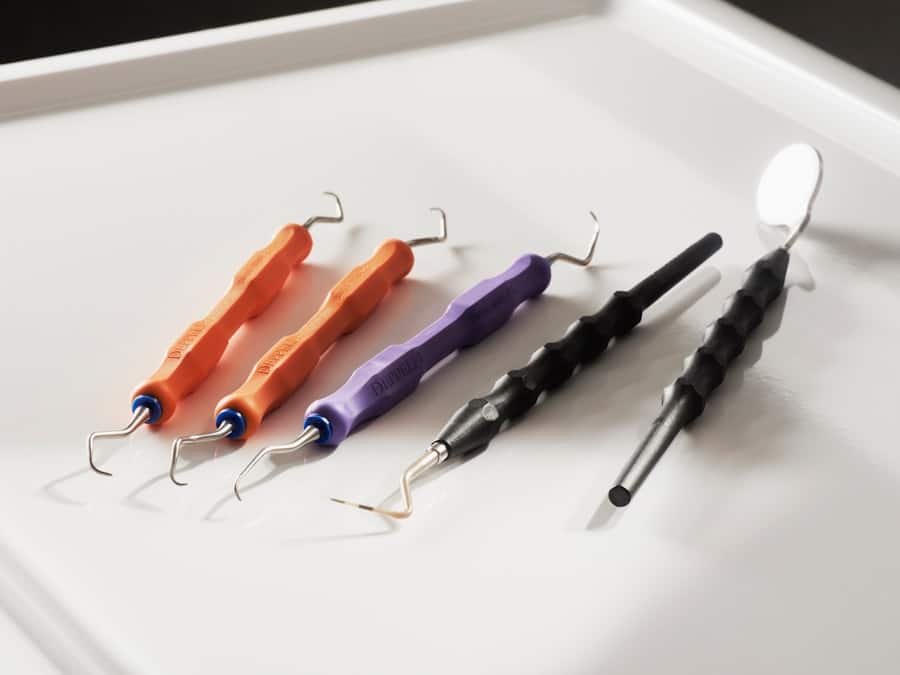
One of the most significant benefits of ultrasonic rhinoplasty is its minimally invasive nature. Because this technique causes less trauma to the surrounding tissues, you may experience reduced swelling and bruising compared to traditional methods. This can lead to a more comfortable recovery process, allowing you to return to your daily activities sooner.
Additionally, many patients report that they are pleased with their results shortly after surgery, as the healing process tends to be quicker. Another advantage is the precision that ultrasonic technology offers. The ability to make fine adjustments means that your surgeon can achieve a more natural-looking result tailored to your unique facial features.
This level of customization can be particularly appealing if you have specific aesthetic goals in mind. Furthermore, ultrasonic rhinoplasty can also address functional issues, such as breathing difficulties caused by structural abnormalities in the nose. By improving both form and function, this technique can enhance your overall quality of life.
Potential Risks and Complications
While ultrasonic rhinoplasty is generally considered safe, it is essential to be aware of potential risks and complications associated with any surgical procedure. Common risks include infection, bleeding, and adverse reactions to anesthesia. Although these complications are relatively rare, they can occur, so it is crucial to discuss them with your surgeon during your consultation.
Another concern is the possibility of dissatisfaction with the final results. While ultrasonic rhinoplasty allows for greater precision, individual healing responses can vary significantly. Some patients may experience asymmetry or require revision surgery to achieve their desired outcome.
It is vital to have realistic expectations and communicate openly with your surgeon about your goals and concerns. By doing so, you can minimize the likelihood of complications and ensure a smoother recovery process.
Recovery Process after Ultrasonic Rhinoplasty
The recovery process following ultrasonic rhinoplasty is typically more manageable than that of traditional rhinoplasty due to the reduced trauma involved in the procedure. Immediately after surgery, you may experience some swelling and discomfort, but these symptoms usually subside within a few days. Your surgeon will provide you with specific post-operative care instructions, which may include recommendations for pain management and guidelines for resuming normal activities.
Most patients can expect to return to work or school within a week, although strenuous activities should be avoided for several weeks to allow for proper healing. You may notice gradual improvements in your nasal appearance as swelling decreases over time. It is essential to follow your surgeon’s advice closely during this period to ensure optimal results and minimize any potential complications.
Regular follow-up appointments will allow your surgeon to monitor your progress and address any concerns you may have during your recovery.
Who is a good candidate for Ultrasonic Rhinoplasty?
Good candidates for ultrasonic rhinoplasty are individuals who seek to improve both the aesthetic appearance and functionality of their noses. If you have specific concerns about the shape or size of your nose or if you experience breathing difficulties due to structural issues, this technique may be suitable for you. Ideal candidates are typically in good overall health and have realistic expectations about the outcomes of the procedure.
It is also important that you are emotionally prepared for the changes that come with undergoing surgery. A thorough consultation with a qualified surgeon will help determine if ultrasonic rhinoplasty aligns with your goals and needs. During this discussion, you can explore your motivations for surgery and ensure that you are making an informed decision about your health and appearance.
Choosing a qualified surgeon for Ultrasonic Rhinoplasty
Selecting a qualified surgeon is one of the most critical steps in ensuring a successful outcome from your ultrasonic rhinoplasty. You should look for a board-certified plastic surgeon or otolaryngologist with extensive experience in performing this specific technique. Reviewing before-and-after photos of previous patients can provide insight into the surgeon’s skill level and aesthetic sensibility.
Additionally, consider scheduling consultations with multiple surgeons to discuss your goals and ask questions about their approach to ultrasonic rhinoplasty. A good surgeon will take the time to listen to your concerns, explain the procedure in detail, and provide personalized recommendations based on your unique anatomy. Trusting your surgeon’s expertise and feeling comfortable with their approach will significantly contribute to a positive surgical experience.
Comparing Ultrasonic Rhinoplasty with traditional rhinoplasty
When comparing ultrasonic rhinoplasty with traditional rhinoplasty, several key differences emerge that may influence your decision-making process. Traditional rhinoplasty often involves more extensive manipulation of the nasal structures using manual instruments, which can lead to increased trauma and longer recovery times. In contrast, ultrasonic rhinoplasty’s use of sound waves allows for more precise adjustments with minimal disruption to surrounding tissues.
Another notable difference lies in the aesthetic outcomes associated with each technique. Many patients report that ultrasonic rhinoplasty provides more natural-looking results due to its ability to make subtle changes with greater accuracy. This precision can be particularly beneficial for individuals seeking minor refinements rather than dramatic alterations.
Ultimately, both techniques have their merits, but understanding how they differ can help you make an informed choice about which approach aligns best with your goals and expectations. By considering factors such as recovery time, potential risks, and desired outcomes, you can engage in a thoughtful discussion with your surgeon about which option may be right for you. In conclusion, ultrasonic rhinoplasty represents a significant advancement in nasal surgery techniques, offering numerous benefits while minimizing risks associated with traditional methods.
By educating yourself about this innovative approach and working closely with a qualified surgeon, you can take confident steps toward achieving your aesthetic goals while ensuring a safe and effective surgical experience.
If you are considering undergoing Ultrasonic Rhinoplasty, you may also be interested in learning about the costs associated with the procedure. A helpful article on rhinoplasty surgery costs in Palmdale, California can provide you with valuable information on what to expect financially. To read more about the expenses involved in rhinoplasty surgery in Palmdale, visit this link.
FAQs
What is Ultrasonic Rhinoplasty?
Ultrasonic rhinoplasty is a surgical technique used to reshape the nose using ultrasonic energy. It allows for precise and controlled bone reshaping without causing damage to surrounding tissues.
How does Ultrasonic Rhinoplasty work?
During ultrasonic rhinoplasty, a specialized ultrasonic handpiece is used to precisely sculpt and reshape the nasal bones. The ultrasonic energy breaks down the bone without damaging the soft tissues, allowing for more accurate and controlled bone reshaping.
What are the benefits of Ultrasonic Rhinoplasty?
Some of the benefits of ultrasonic rhinoplasty include reduced trauma to the surrounding tissues, more precise bone reshaping, and potentially shorter recovery times compared to traditional techniques. It can also be used to address more complex nasal deformities.
Who is a good candidate for Ultrasonic Rhinoplasty?
Good candidates for ultrasonic rhinoplasty are individuals who are looking to reshape their nose, address nasal deformities, or improve nasal function. It is important for candidates to have realistic expectations and be in good overall health.
What is the recovery process like after Ultrasonic Rhinoplasty?
Recovery after ultrasonic rhinoplasty may vary from person to person, but generally involves some swelling and bruising around the nose and eyes. Patients may need to wear a splint for a week or so, and should avoid strenuous activities for a few weeks. Full results may take several months to become apparent.
Are there any risks or complications associated with Ultrasonic Rhinoplasty?
As with any surgical procedure, there are potential risks and complications associated with ultrasonic rhinoplasty, such as infection, bleeding, and adverse reactions to anesthesia. It is important to discuss these risks with a qualified surgeon before undergoing the procedure.